XR/By Erfan Soleymanzadeh//5 min read
AR vs VR vs Mixed Reality: what is the difference?
AR overlays content on the real world, VR replaces it, and mixed reality lets virtual and real objects interact. A practical guide to choosing between them.
Augmented reality (AR) adds digital content to your view of the real world. Virtual reality (VR) replaces your view of the real world with a rendered one. Mixed reality (MR) sits between them: virtual content is not just overlaid but understands and reacts to the real environment, so a virtual ball can roll under a real table and a virtual screen can be pinned to a real wall. All three are grouped under the umbrella term XR, extended reality, and all three rest on the same spatial computing foundations.
The differences matter because they change the device, the budget, the venue, the audience and the kind of value an experience can deliver. Choosing wrongly is the most common and most expensive mistake we see in briefs.
Definitions
Augmented reality
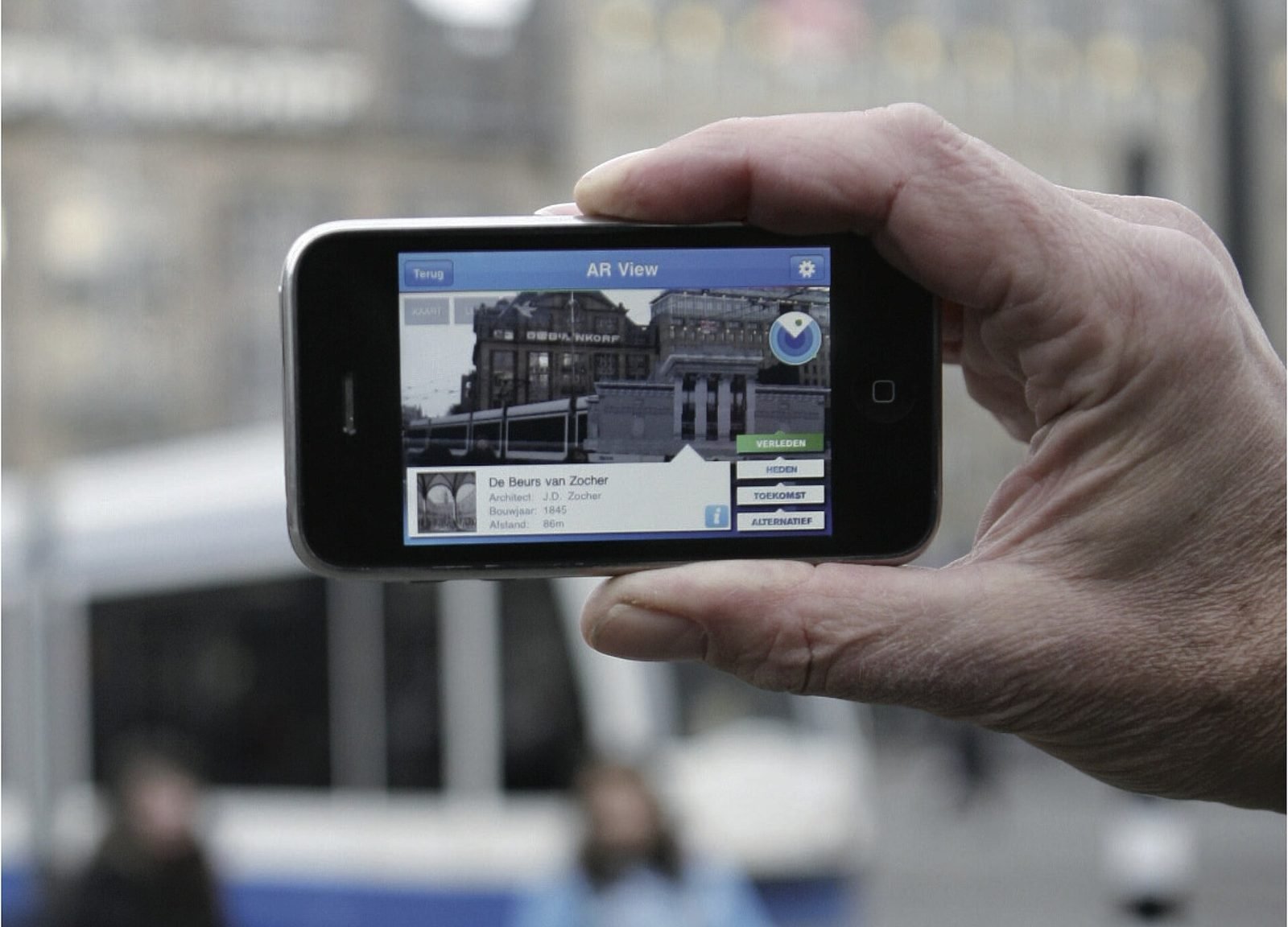
AR presents digital content registered to the real world, usually through a phone or tablet camera and increasingly through headsets. The real world stays dominant. Content may be anchored to a surface, an image, an object or, with geospatial AR, to coordinates on the planet. Occlusion and physics are limited or absent in simple AR: the virtual object often draws on top of everything.
Virtual reality
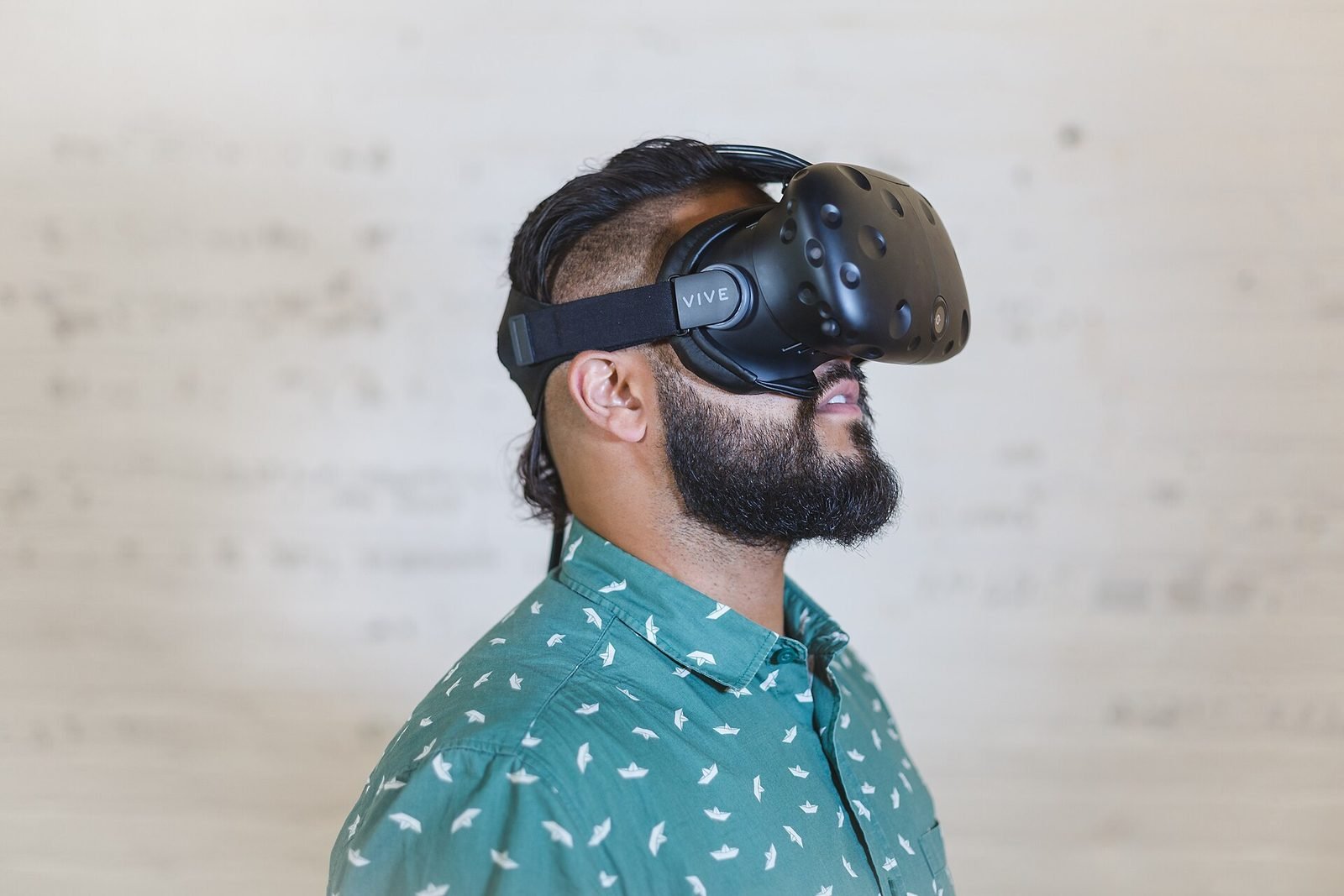
VR places the person inside a fully rendered environment, typically through a head-mounted display with stereoscopic optics, head and hand tracking, and often controllers. The real environment is hidden, which is both the power of VR (total control of what is seen) and its main constraint (safety, space, isolation from other people).
Mixed reality
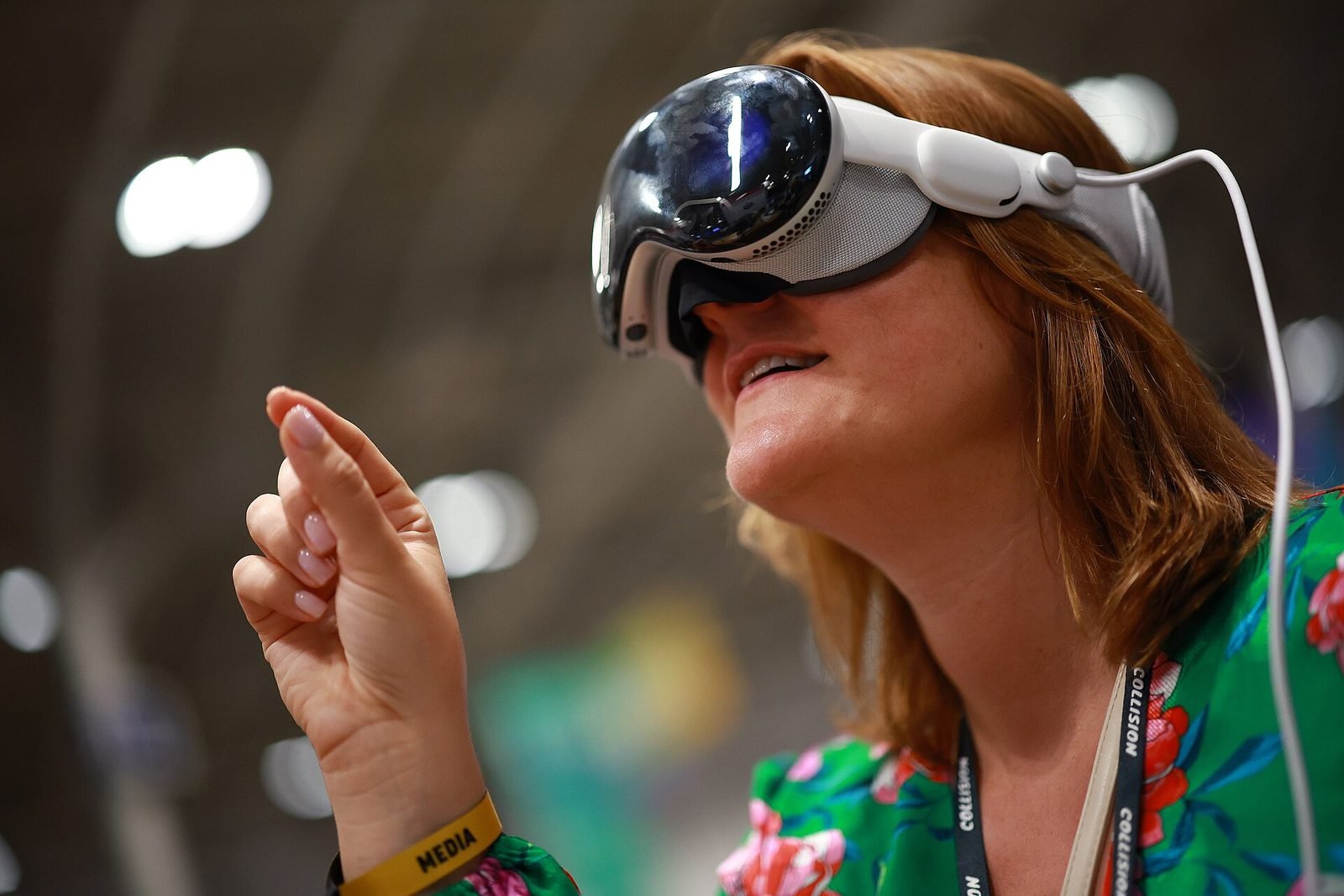
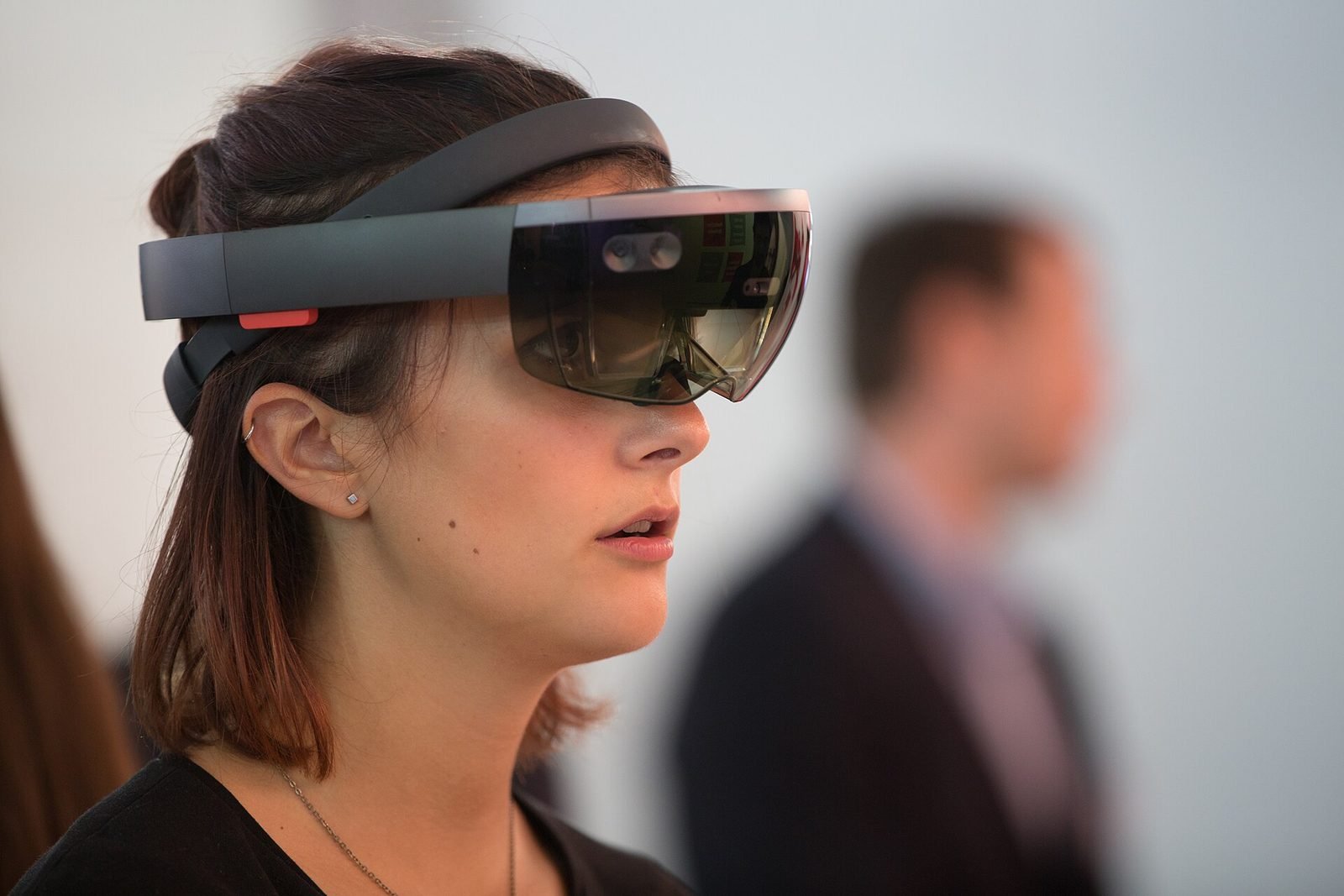
MR blends the two. Using passthrough cameras or optical see-through displays and dense scene understanding, the system knows where the walls, floor, furniture and people are. Virtual content can be occluded by real objects, cast shadows onto them, collide with them and persist in the same spot across sessions. Meta Quest 3, Apple Vision Pro and HoloLens-class headsets are the current MR devices; phones with LiDAR achieve a lighter version.
Comparison
| Dimension | Augmented reality | Virtual reality | Mixed reality |
|---|---|---|---|
| Presence of the real world | Dominant; content layered on top | Hidden entirely | Shared stage; real and virtual interact |
| Typical devices | Phones, tablets, smart glasses | Quest 3, PC VR headsets, PlayStation VR2 | Quest 3, Vision Pro, HoloLens 2, Magic Leap 2 |
| Input | Touch, device movement, voice | Controllers, hand tracking, gaze | Hands, gaze and pinch, voice, controllers |
| Typical uses | Wayfinding, retail try-on, site interpretation, campaigns | Training simulations, immersive storytelling, design review, games | Collaborative design, guided maintenance, exhibitions, spatial productivity |
| Strengths | No hardware to hand out; works outdoors; large audiences | Full control of the environment; strong presence; safe rehearsal of dangerous tasks | Physical context plus rich virtual content; hands-free; persistent |
| Limits | Small screen, arm fatigue, variable tracking, limited occlusion | Isolation, motion sickness for some, needs space and supervision | Headset cost and logistics, mostly indoor, battery life |
How to choose for a project
Start from the question in the brief, not from the device you have been offered. Four questions usually settle it.
Does the real place carry the meaning?
If the value depends on being in a specific location, in front of a specific object or alongside other people, AR or MR is the answer. A reconstruction of a demolished wing of a palace makes sense from the courtyard where it stood; it means much less in a VR scene in a basement. This is the case for most cultural heritage and city projects, including geospatial AR.
Does the real place get in the way?
If the experience needs a place that does not exist, is dangerous, is far away or must be rehearsed many times without consequence, VR wins. Training for a confined-space rescue or walking through an unbuilt building are classic cases.
Who holds the device, and for how long?
Phone AR reaches anyone with a smartphone, but people will hold a phone up for a few minutes, not an hour. Headsets allow long, hands-free sessions but must be provided, sanitised, charged, fitted and explained, which limits throughput to a few people at a time. For a public exhibition with thousands of daily visitors, this question alone usually decides the medium.
Does virtual content need to touch reality?
If content must hide behind furniture, sit convincingly on a real table or be shared across several headsets looking at the same real object, you need MR-grade scene understanding, not basic AR.
Common misconceptions
- VR is more immersive, so it must be better. Immersion is a means, not an end. In a museum, the object in the room is the attraction; hiding it behind a headset is a loss.
- AR is just a phone gimmick. Phone AR is limited by the screen, but world-scale localisation now places content on real streets to within about a metre, which makes serious wayfinding and site interpretation possible.
- Mixed reality is a Microsoft brand. Microsoft popularised the term for HoloLens, but Milgram and Kishino described the reality-virtuality continuum in 1994, and Meta and Apple now use the term for passthrough experiences.
- Smart glasses mean AR is solved. Most current glasses display a small floating panel without spatial registration. They are heads-up displays, which is useful, but not registered AR.
- You can build it once and run it everywhere. Input, field of view, tracking and comfort differ enough between a phone, a Quest and a Vision Pro that the interaction design, not only the build, needs adapting. Unity reduces the engineering cost of multi-platform work; it does not remove the design work.
Where VeleStudio stands
VeleStudio builds across all three, but we recommend based on the brief, which means we talk clients out of headsets as often as into them. Our XR development and mixed reality services cover the engineering. Our self-initiated prototypes, including a museum mixed reality guide built to test passthrough interpretation beside real exhibits, are where we learn what each medium does to people's attention and behaviour.
If you are unsure which medium a project needs, contact us with the place, the audience and the goal. The medium usually follows from those three.
FAQ
Common questions
01Is mixed reality the same as augmented reality?
02Which is better for training, VR or AR?
03Do I need a headset for augmented reality?
Related work
01AR, Geospatial·Studio prototype, 2026
City Layer: a geospatial AR prototype for historic streets
A self-initiated prototype that anchors reconstructed facades, period photographs and narrated stops along a route in a historic Italian city centre.
- Unity
- C#
- AR Foundation
- ARCore Geospatial API
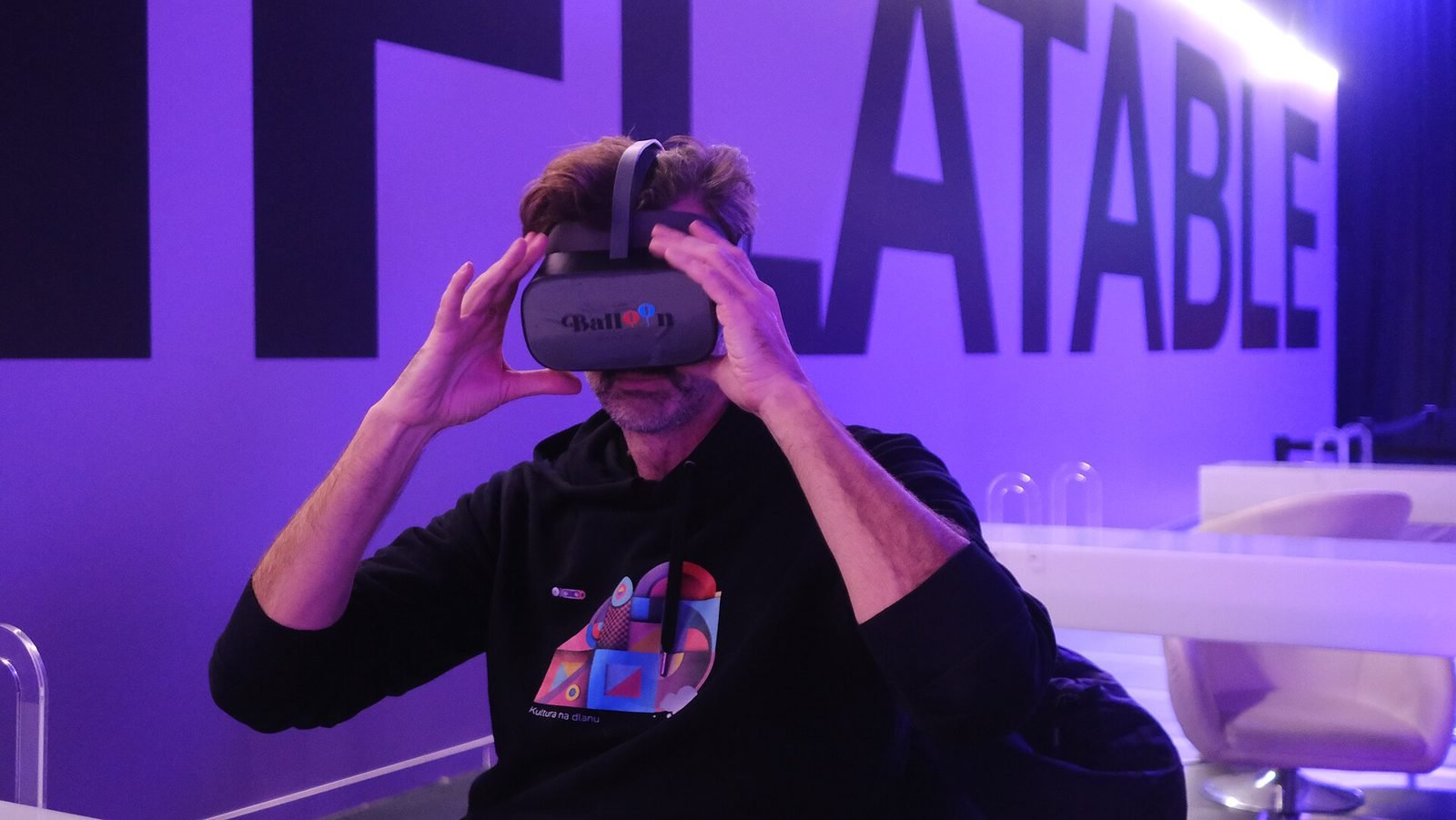
02Mixed Reality, Cultural Heritage·Studio prototype, 2026
Object Stories: a mixed reality guide prototype for museum collections
A Quest 3 passthrough prototype that recognises museum objects and anchors stories, exploded views and provenance to each one, tested in the studio with replicas.
- Unity
- C#
- Meta Quest SDK
- OpenXR
Keep reading
How to design an AR experience
A practical process for designing AR: define the job of the AR layer, choose anchoring, guide attention, handle uncertainty and test in real conditions.
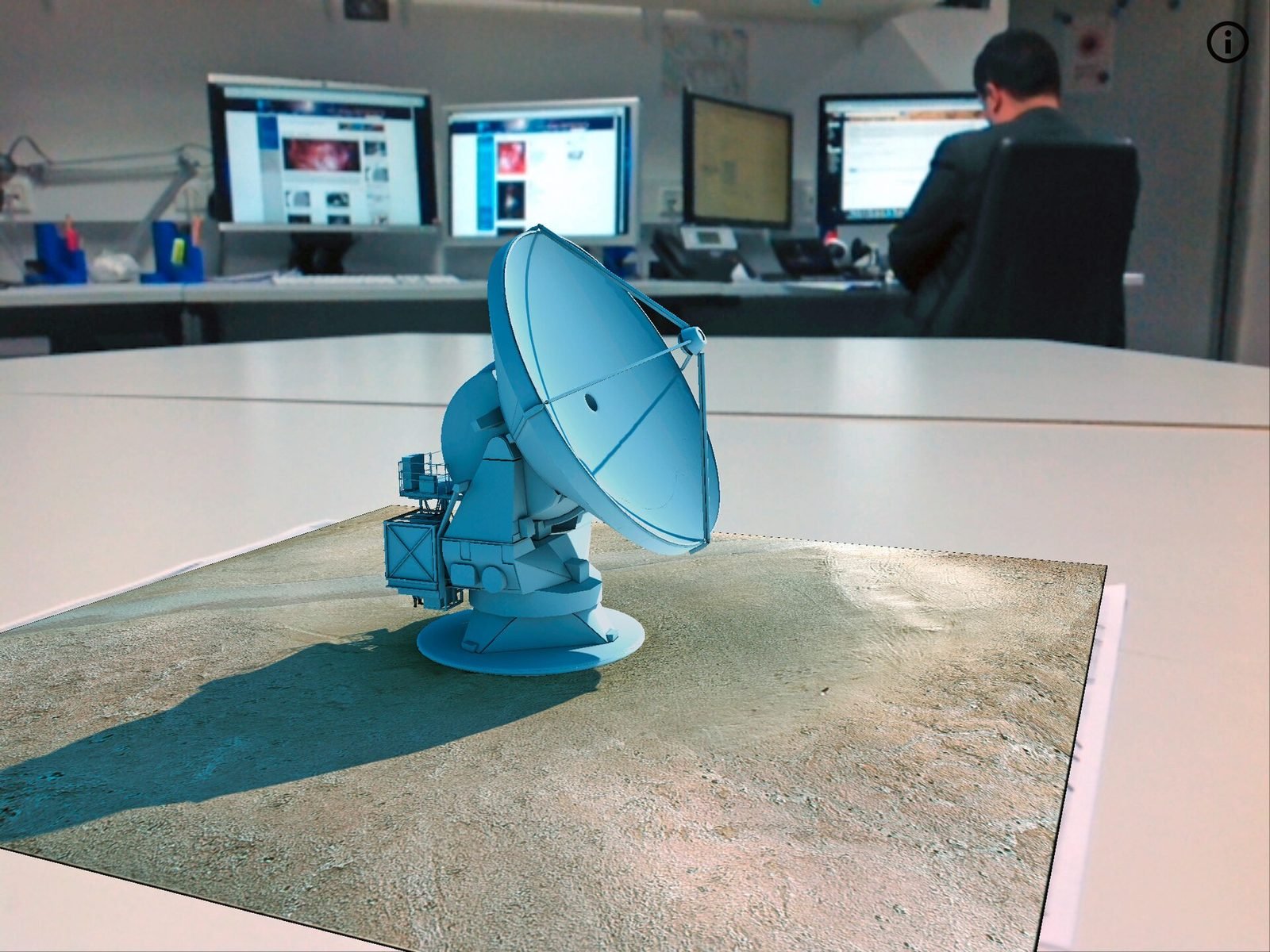
How to prototype an XR experience
Why XR projects start with a prototype: a fidelity ladder from bodystorming to on-device slice, what to test at each stage and how to reach production.
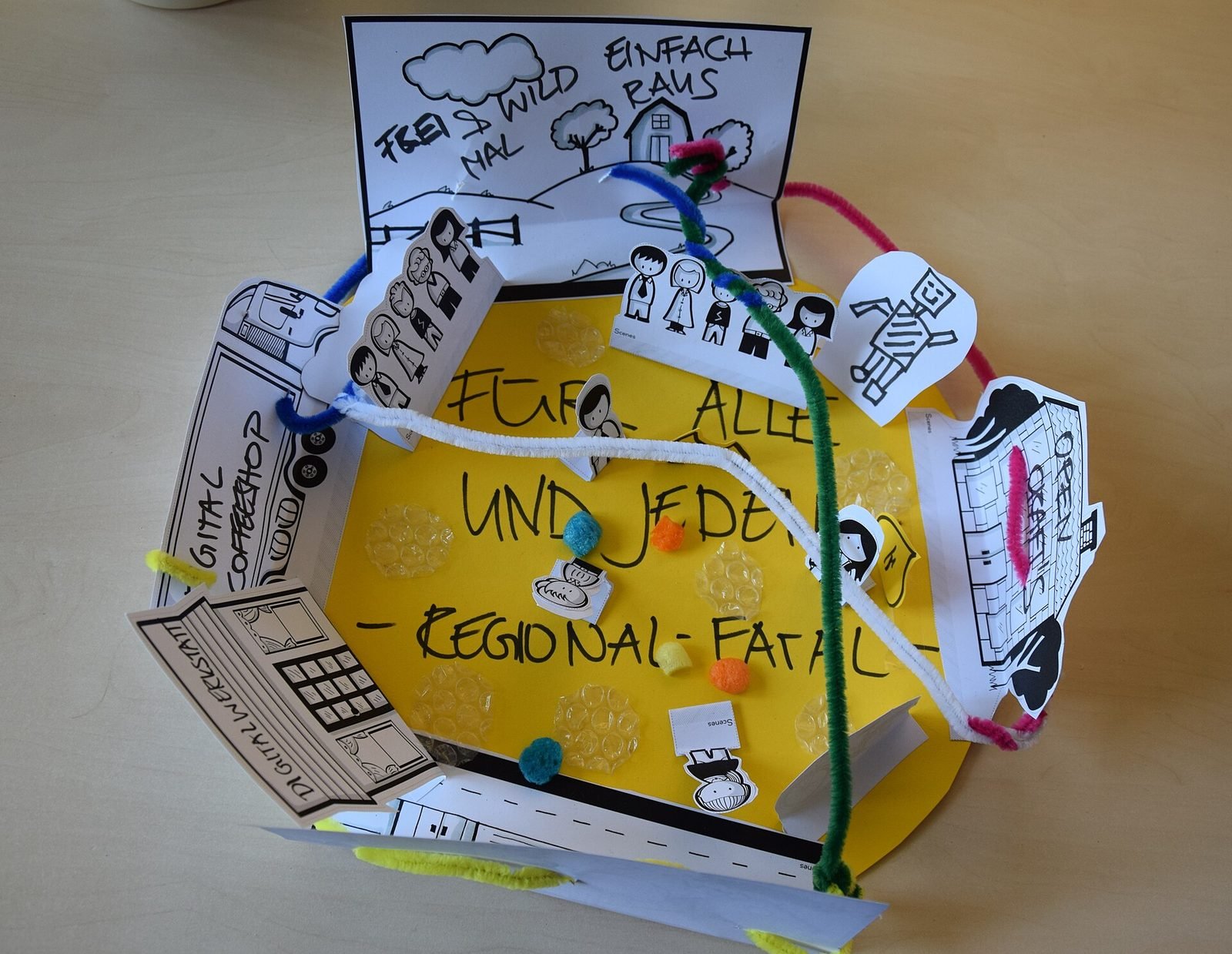
What is spatial computing?
Spatial computing is computing that senses, maps and uses the physical space around a device, so digital content and interaction happen in place.