01XR · 5 min read
AR vs VR vs Mixed Reality: what is the difference?
AR overlays content on the real world, VR replaces it, and mixed reality lets virtual and real objects interact. A practical guide to choosing between them.
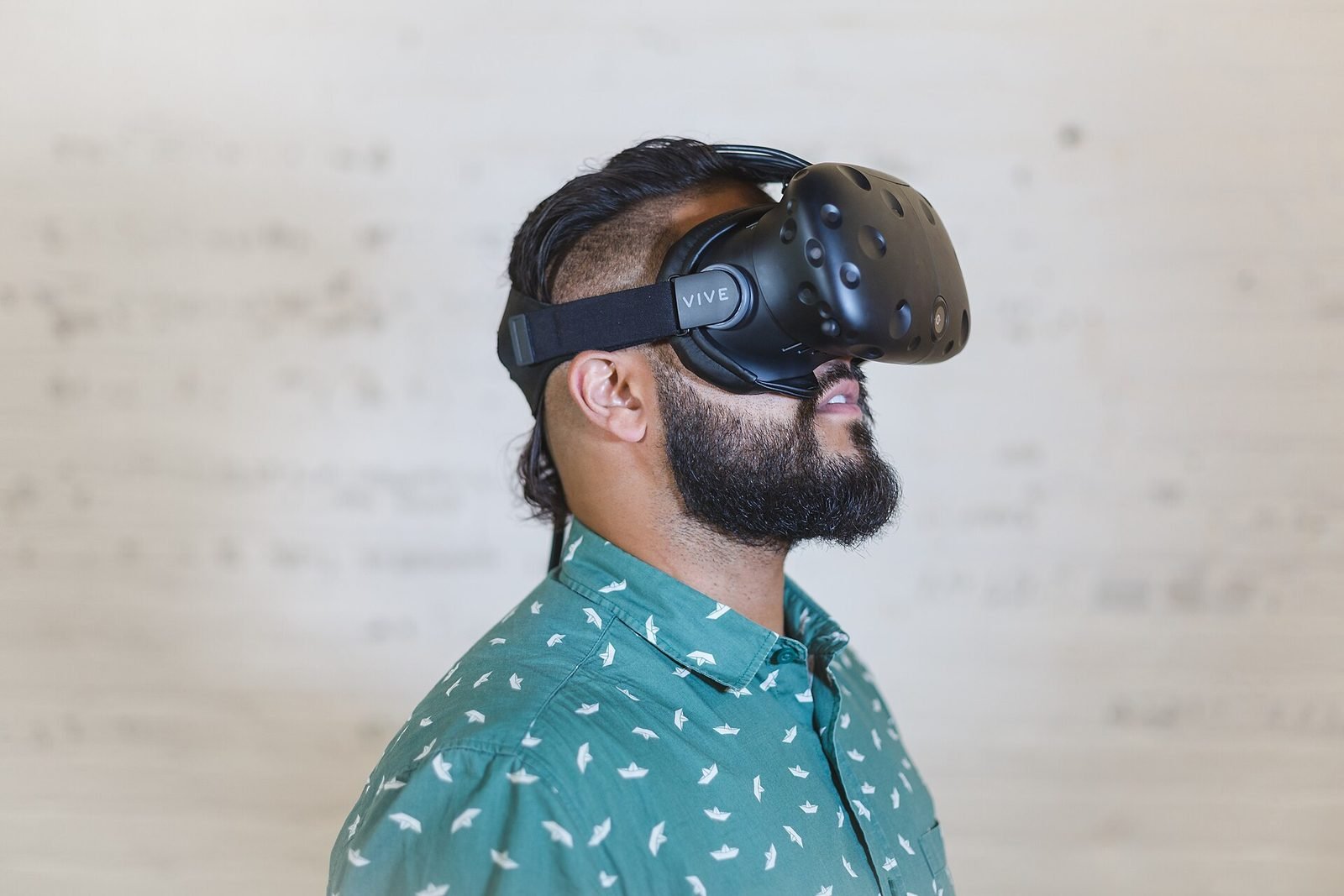
Clear answers to the questions people ask before, during and after a spatial technology project. Written from practice, kept current.
AR overlays content on the real world, VR replaces it, and mixed reality lets virtual and real objects interact. A practical guide to choosing between them.
AI gives XR experiences perception, conversation, adaptation and generated content. Where it adds value, how to architect it, and where it still falls short.
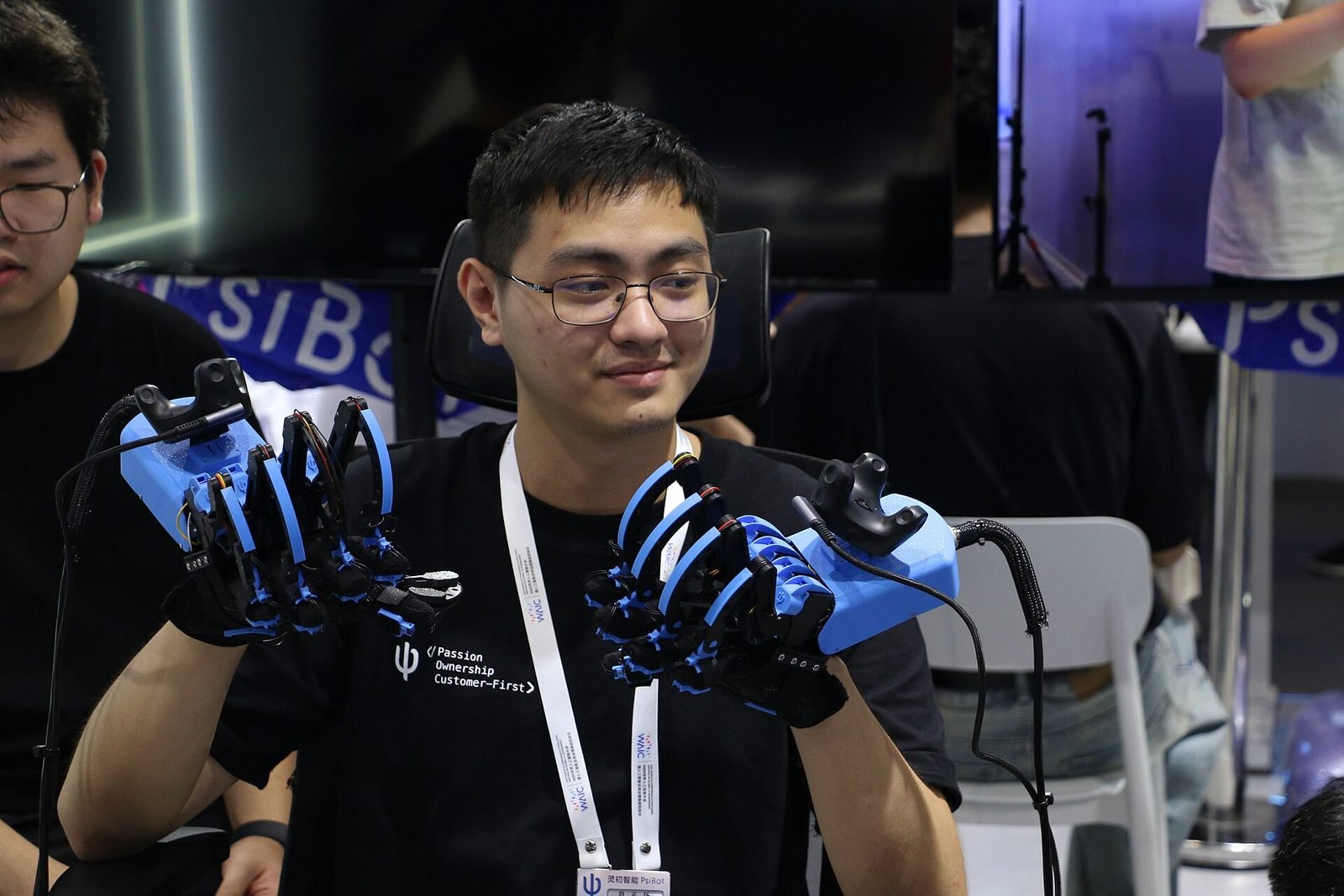
Geospatial AR fuses GPS, motion sensors and visual positioning against a map of real streets to place content at exact coordinates. Each step explained.
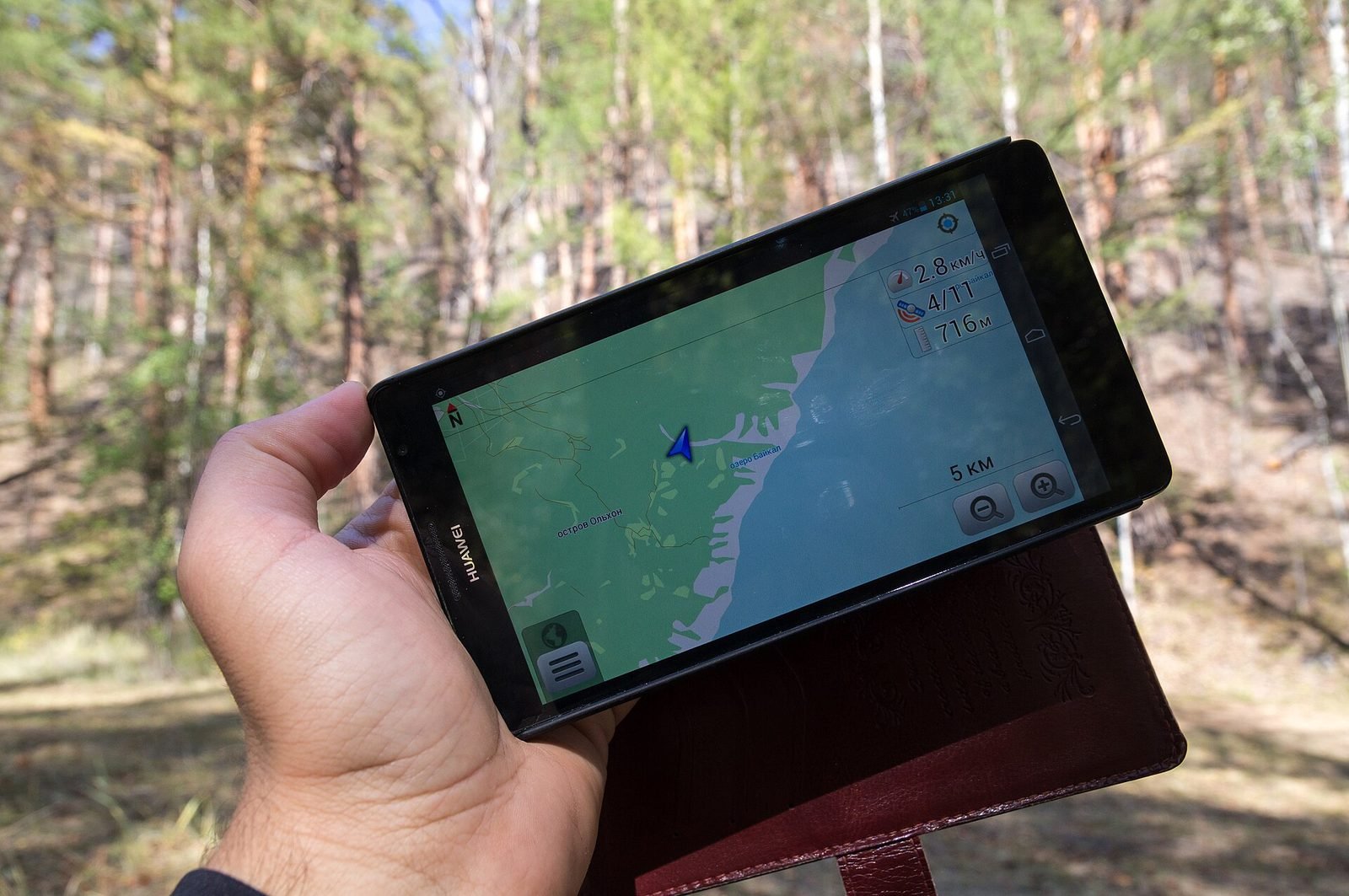
How museums and heritage sites use AR, VR and mixed reality: use cases, phones versus loan devices, curatorial constraints, content pipelines and pilots.
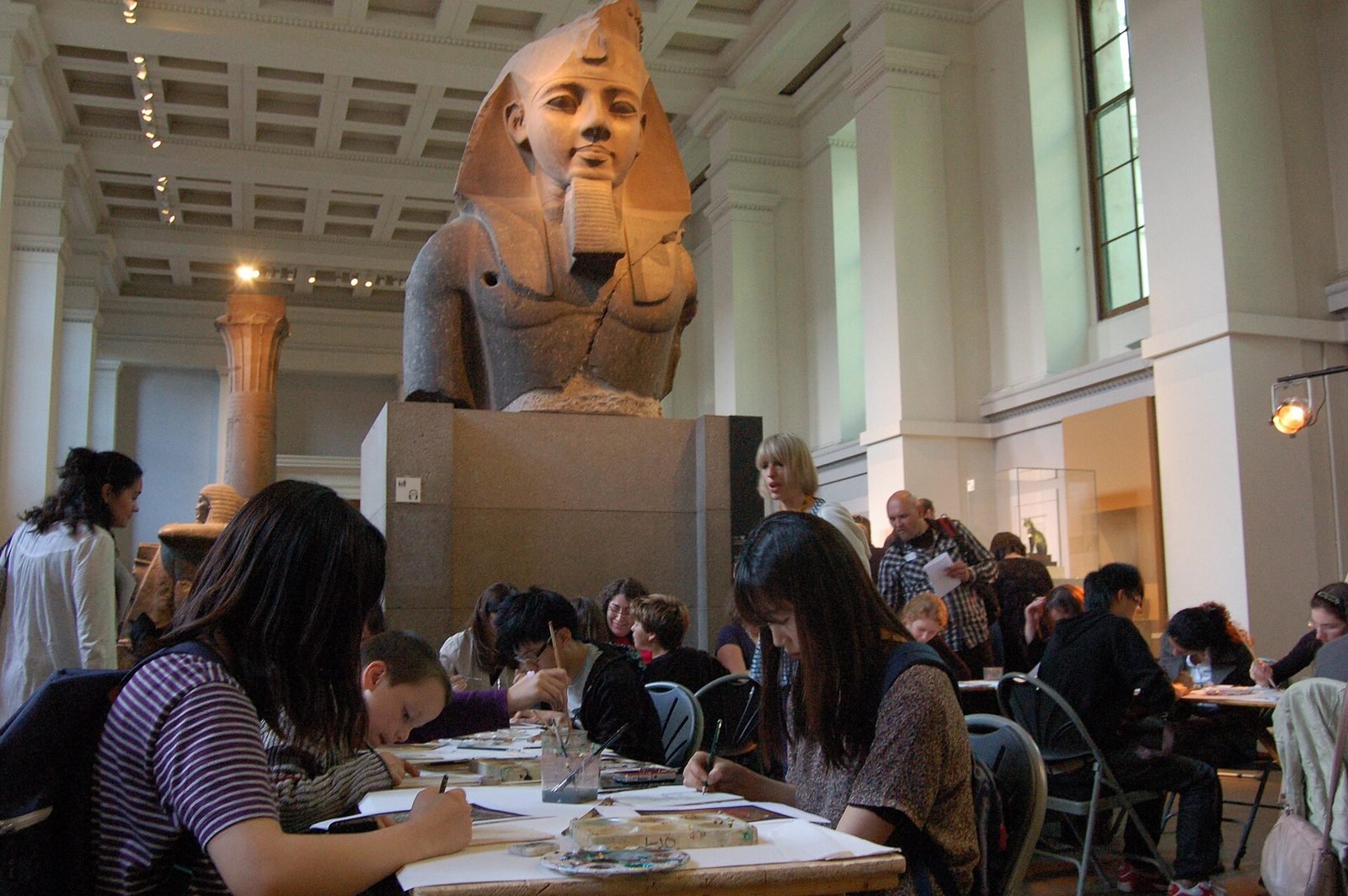
A practical guide to interactive installations: concept, sensing, software, hardware, calibration, robustness when unattended, and what drives cost.

A practical process for designing AR: define the job of the AR layer, choose anchoring, guide attention, handle uncertainty and test in real conditions.
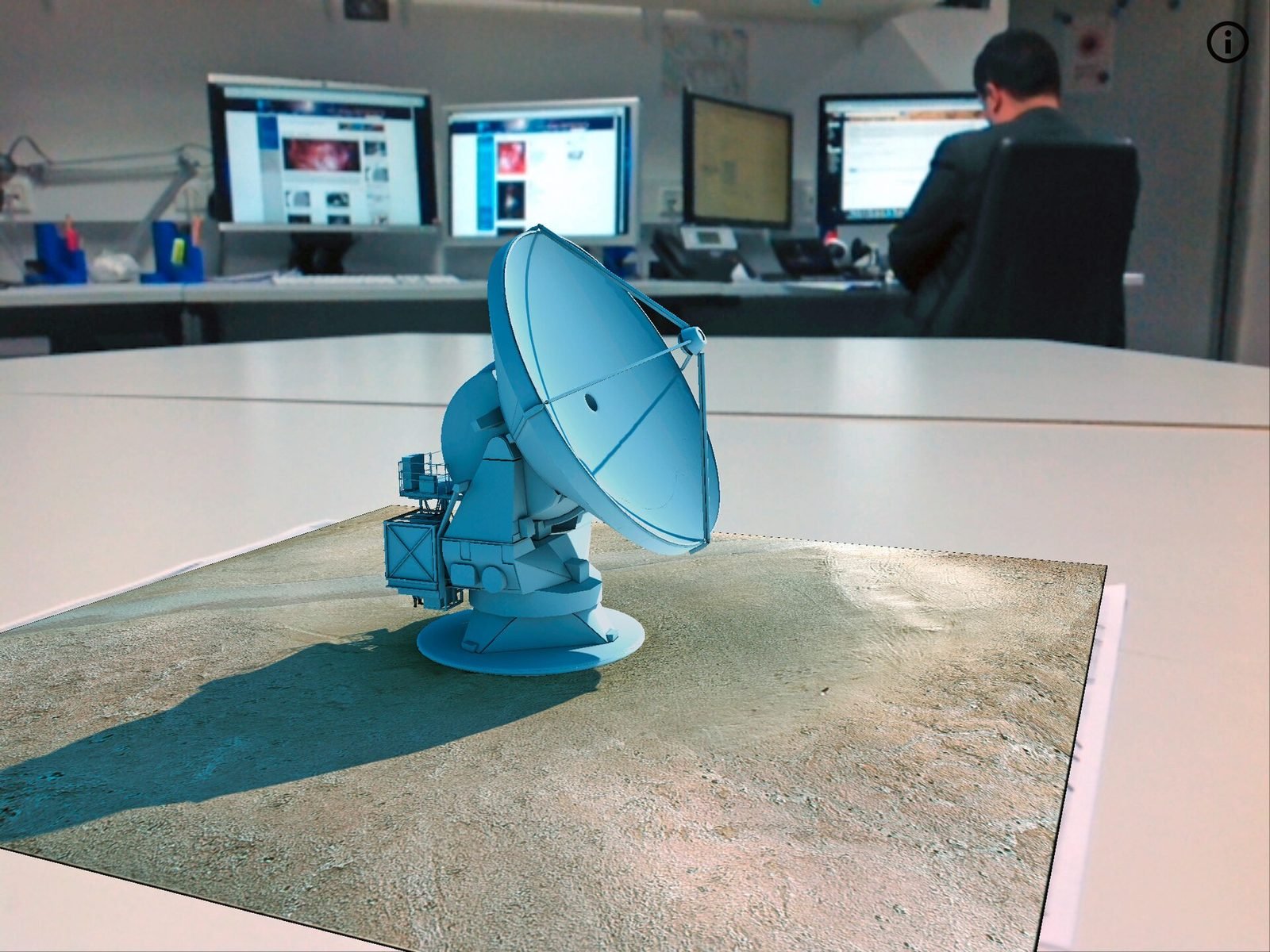
Why XR projects start with a prototype: a fidelity ladder from bodystorming to on-device slice, what to test at each stage and how to reach production.
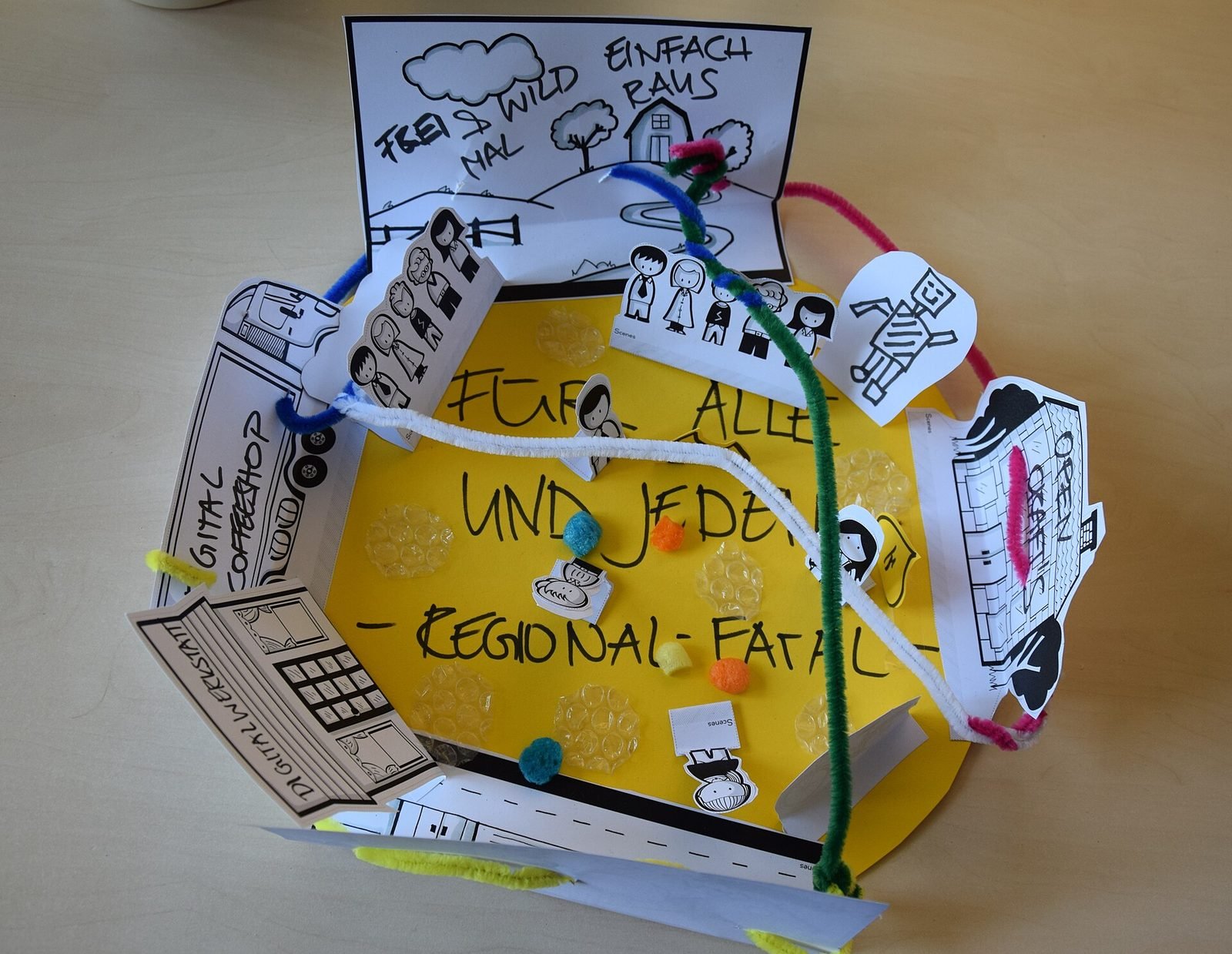
How Unity is used for AR, VR and mixed reality: AR Foundation, XRI, OpenXR, URP and PolySpatial, performance budgets, and where it is the wrong tool.

Unity and Unreal Engine compared for XR: platform support, mobile AR, visual fidelity, scripting, licensing, standalone headset performance and team skills.
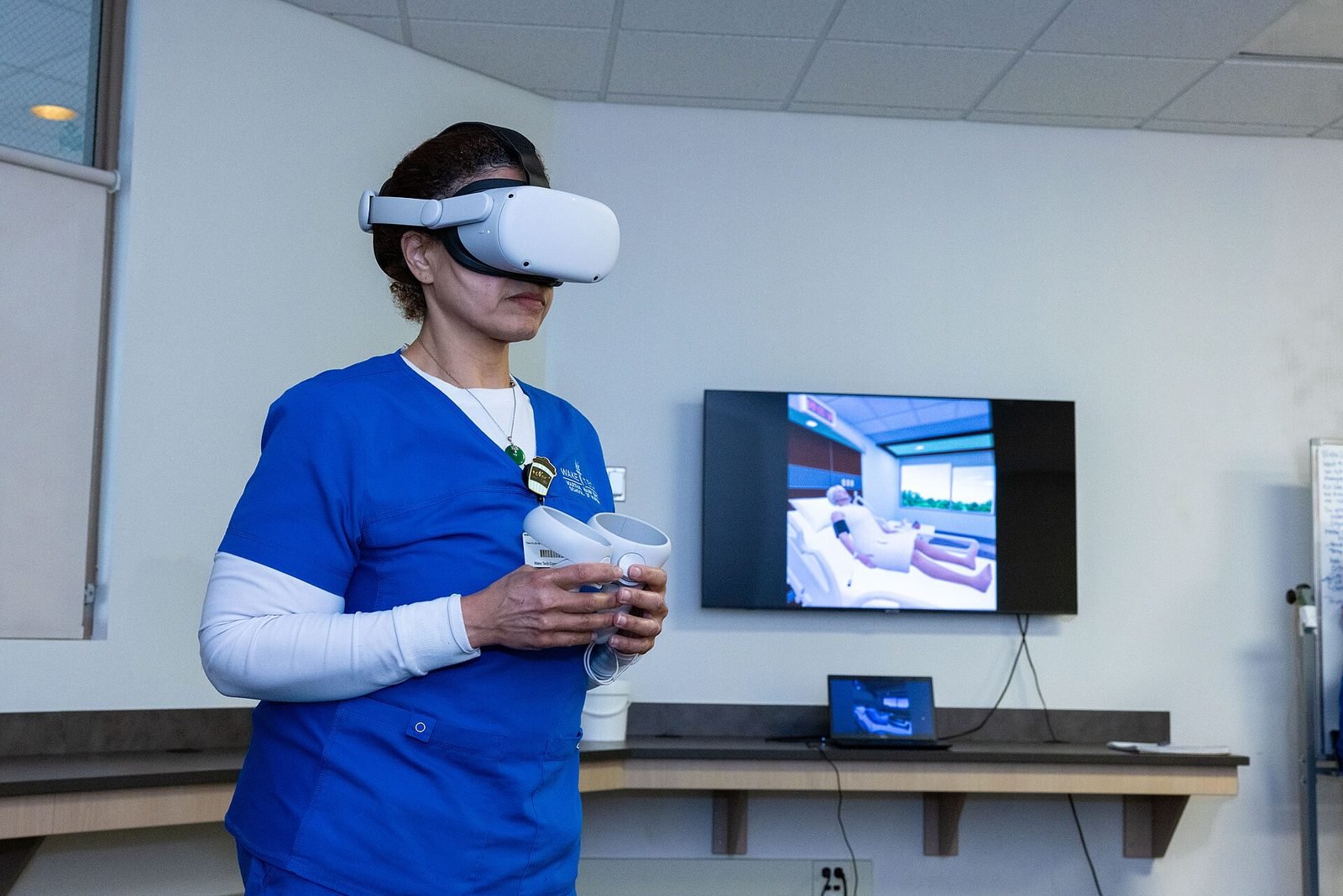
Human-Computer Interaction is the study and design of how people use computing systems. What it covers, how it differs from UX, and why it matters for XR.

Spatial computing is computing that senses, maps and uses the physical space around a device, so digital content and interaction happen in place.
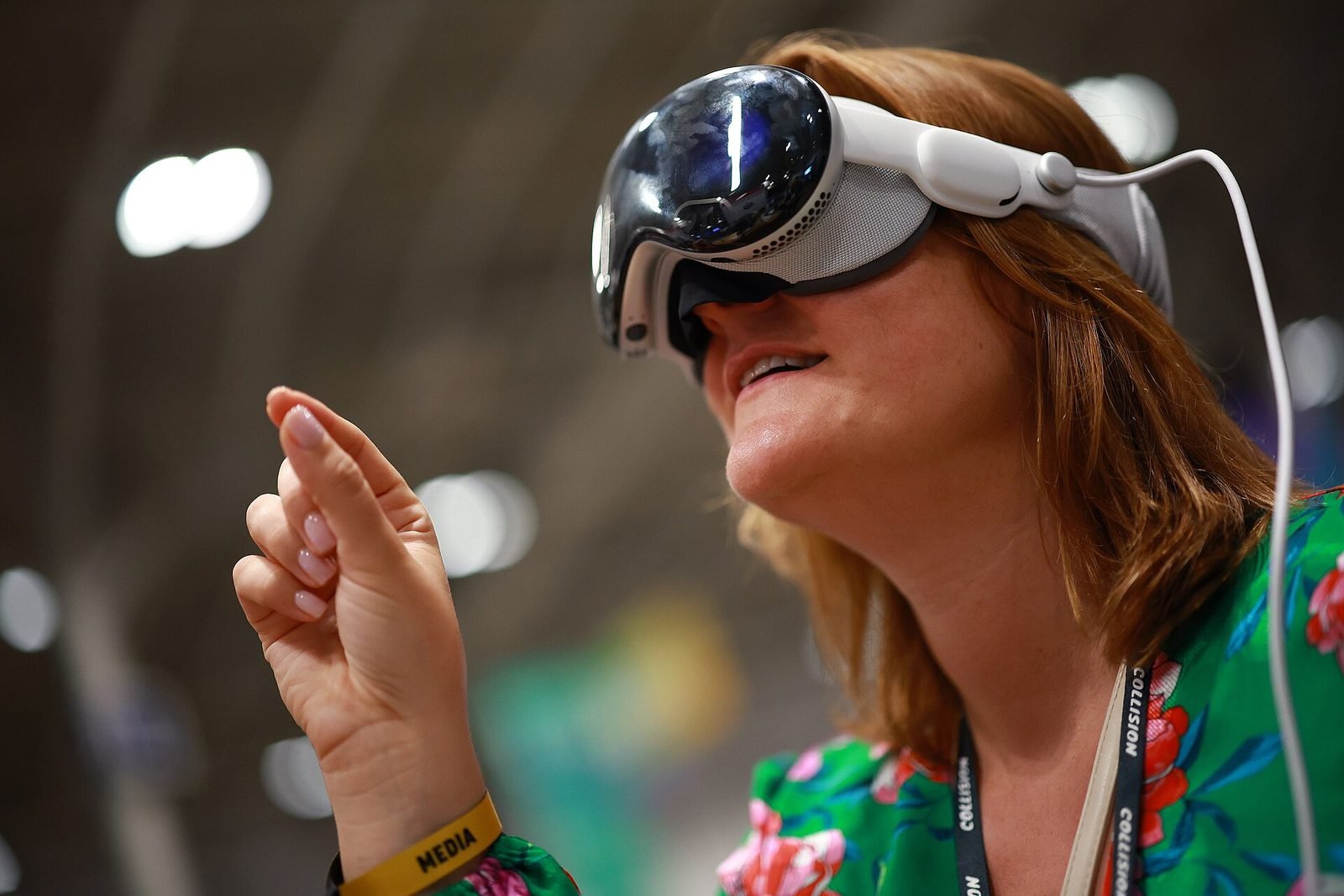
Spatial UX is the design of interfaces that live in the 3D space around a user. How it differs from 2D UX, and the principles that keep it comfortable.

A practical guide to interactive installations: concept, sensing, software, hardware, calibration, robustness when unattended, and what drives cost.
Spatial UX is the design of interfaces that live in the 3D space around a user. How it differs from 2D UX, and the principles that keep it comfortable.
How Unity is used for AR, VR and mixed reality: AR Foundation, XRI, OpenXR, URP and PolySpatial, performance budgets, and where it is the wrong tool.
Unity and Unreal Engine compared for XR: platform support, mobile AR, visual fidelity, scripting, licensing, standalone headset performance and team skills.
Next step
Ask us directly. If it is a good question we will probably write the answer up here as well.
Prefer email? mrerfansol@gmail.com