VeleStudio

Founder and CTO · Rome and Milan

Erfan Soleymanzadeh

Designer and technologist. Founder and CTO of VeleStudio, Ciro and Vela Arte.

About Erfan

Erfan Soleymanzadeh is a designer and technologist based in Rome and Milan, and the founder and CTO of VeleStudio, Ciro and Vela Arte.

Erfan holds a Master of Design from Sapienza University of Rome. The thesis research, on bringing augmented reality, artificial intelligence and geospatial systems together with user-centred design for cultural engagement, became Ciro: an AI travel guide that tells the story of any street by voice, in chat and in augmented reality.

At VeleStudio, Erfan leads research, interaction design and technical development, working in Unity, C#, web technologies and real-time 3D on AR, geospatial and AI-driven experiences.

Across the three companies Erfan combines design, engineering and management, from product direction and technical architecture to delivery.
Name
Erfan Soleymanzadeh
Role
Founder and CTO
Companies
VeleStudio, Ciro, Vela Arte
Based in
Rome and Milan, Italy
Education
Master of Design (M.Des.), Sapienza University of Rome
Fields
Interaction design, Product design, Human-computer interaction, Augmented reality, Geospatial AR, Spatial computing, Artificial intelligence in immersive experiences, Unity development, Cultural heritage technology, Design management
Profiles
GitHubResearchGate
Contact
Request a call or email

Companies

Three companies, one way of working

  1. 01

    VeleStudio

    Founder and CTO

    Creative technology and interaction design studio for XR, spatial computing, AI + XR, geospatial AR and interactive installations.

    About VeleStudio →
  2. 02

    Ciro

    Founder and CTO, since 2024

    An AI travel guide that tells the real story of any street, square or monument by voice, in chat and in augmented reality. Founded in Rome in 2024, it began as a master's thesis at Sapienza.

    ciroai.com →
  3. 03

    Vela Arte

    Founder and CTO

    A cinematic photography studio in Rome for couples, proposals, weddings and travel portraits at the city's landmarks.

    velaarte.com →

Selected work

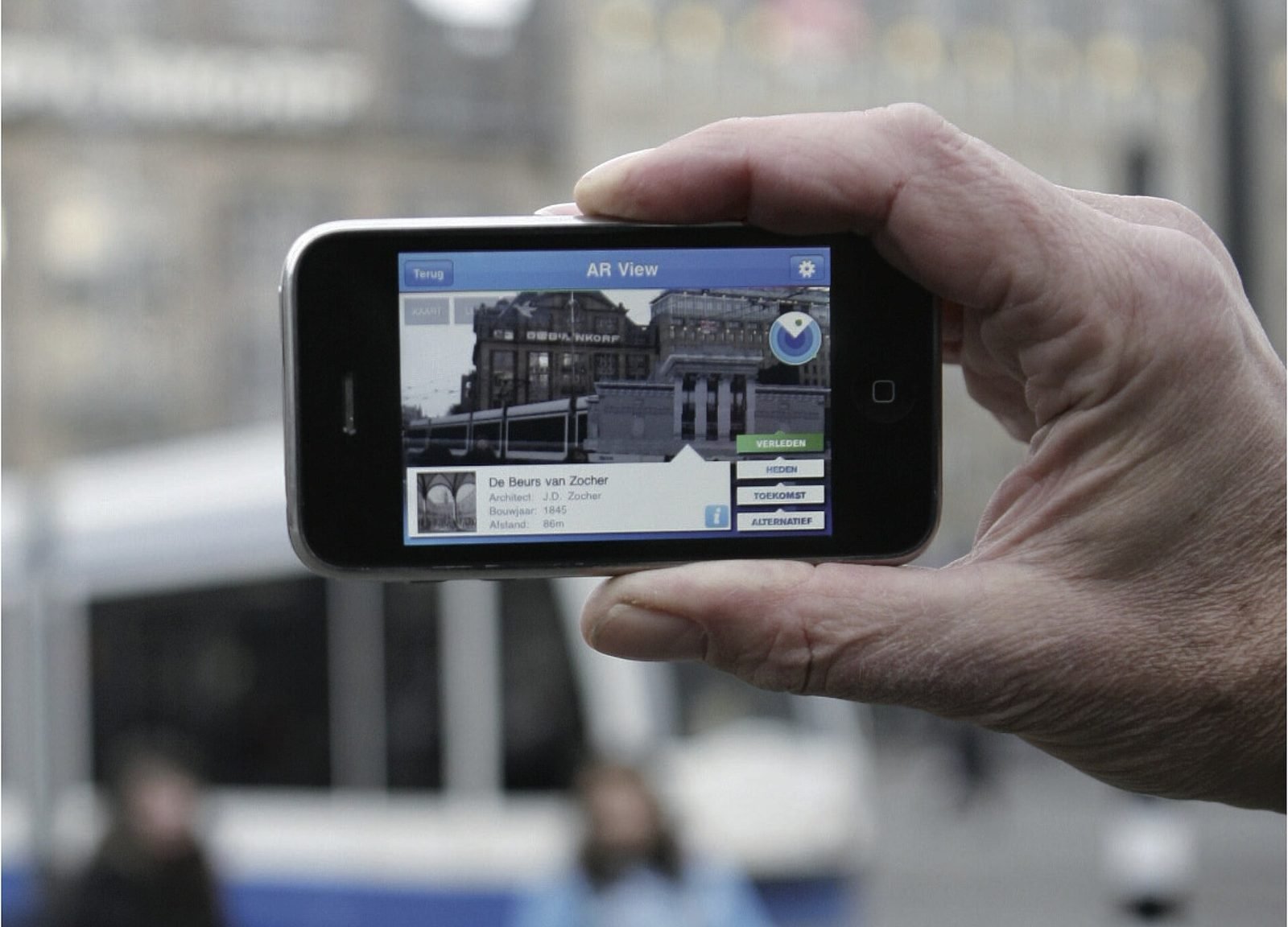
A smartphone held up on a city street showing an augmented reality layer over the buildings

01AR, Geospatial·Studio prototype, 2026

City Layer: a geospatial AR prototype for historic streets

A self-initiated prototype that anchors reconstructed facades, period photographs and narrated stops along a route in a historic Italian city centre.

  • Unity
  • C#
  • AR Foundation
  • ARCore Geospatial API
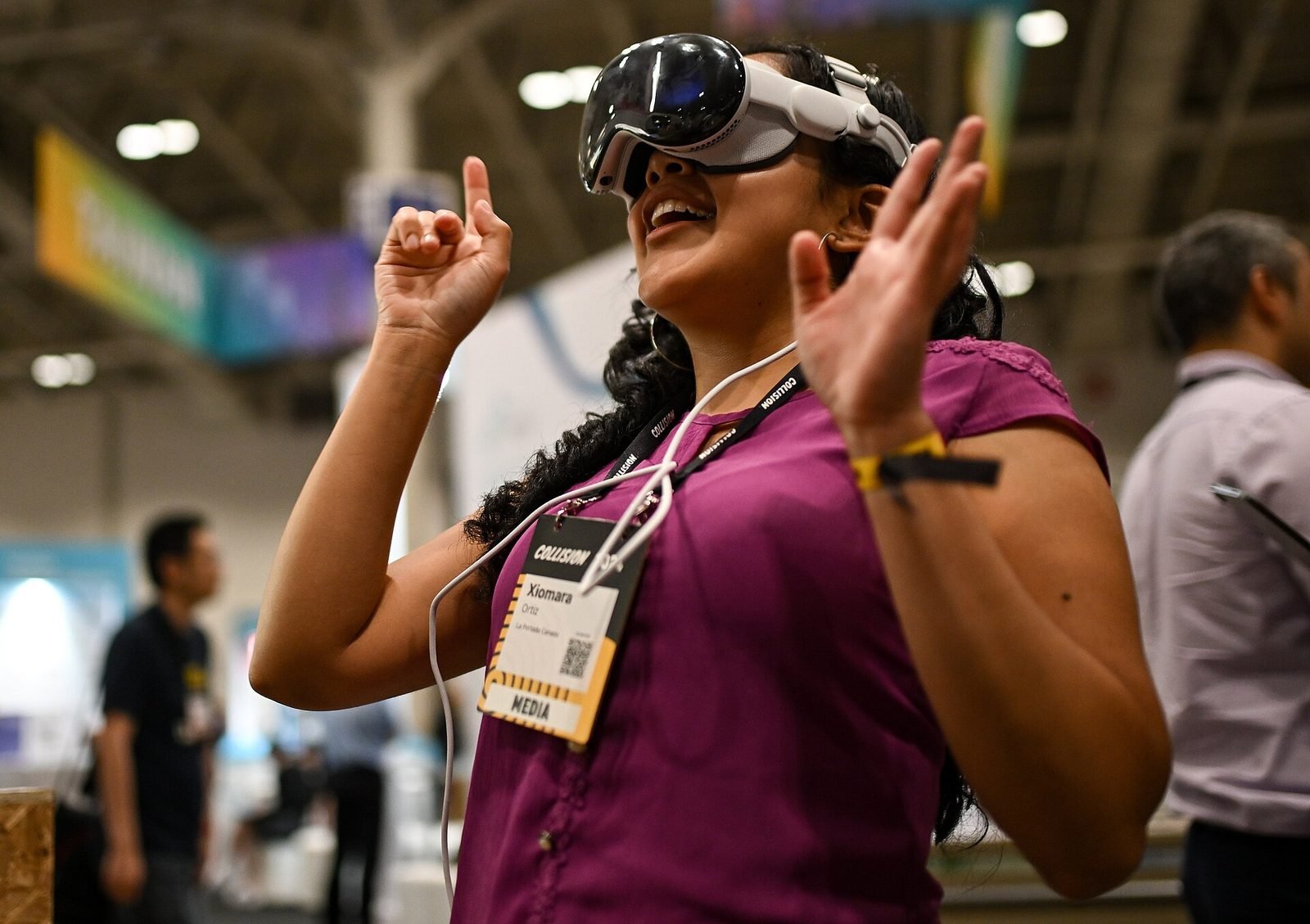
A woman wearing a spatial computing headset, gesturing with her hands

02AI, XR·Studio prototype, 2026

Spatial Guide: an AI agent that answers questions about what you are looking at

A headset prototype where a visitor looks at an object, asks a question by voice and gets an answer grounded only in a curated knowledge base, pinned to the object.

  • Unity
  • C#
  • OpenXR
  • Meta Quest SDK
Nino course interface showing a bilingual lesson scene

03Interaction Design, HCI·Live, 2026

Nino: an interactive, bilingual Italian course for Persian speakers

A live, bilingual (Persian–Italian) A1 course site with a motion-graphic scene engine and eight exercise types, designed for short, ADHD-friendly sessions.

  • JavaScript
  • TypeScript
  • Next.js
  • Three.js
XR · 5 min read

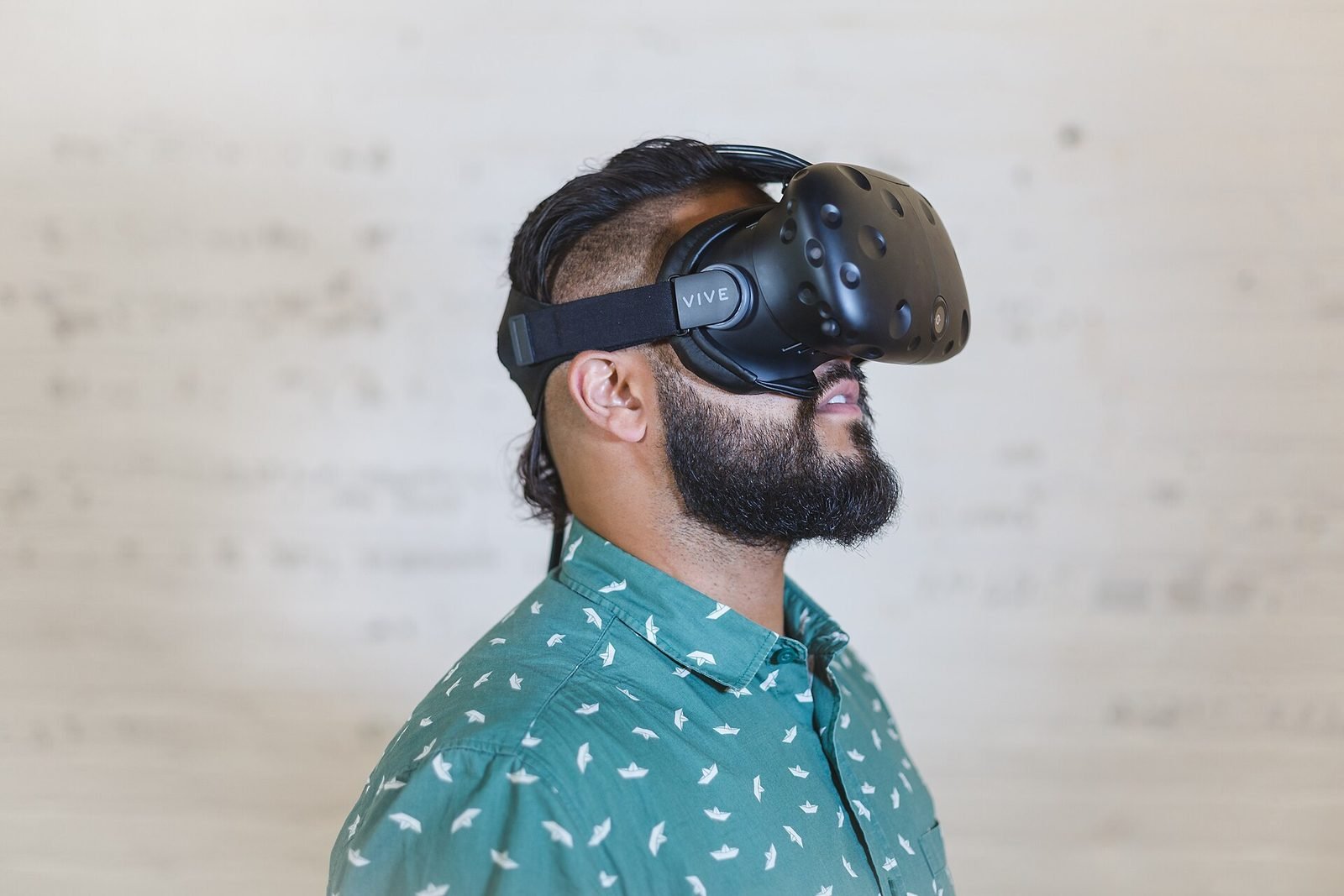
AR vs VR vs Mixed Reality: what is the difference?

AR overlays content on the real world, VR replaces it, and mixed reality lets virtual and real objects interact. A practical guide to choosing between them.

Profile of a man wearing a VR headset
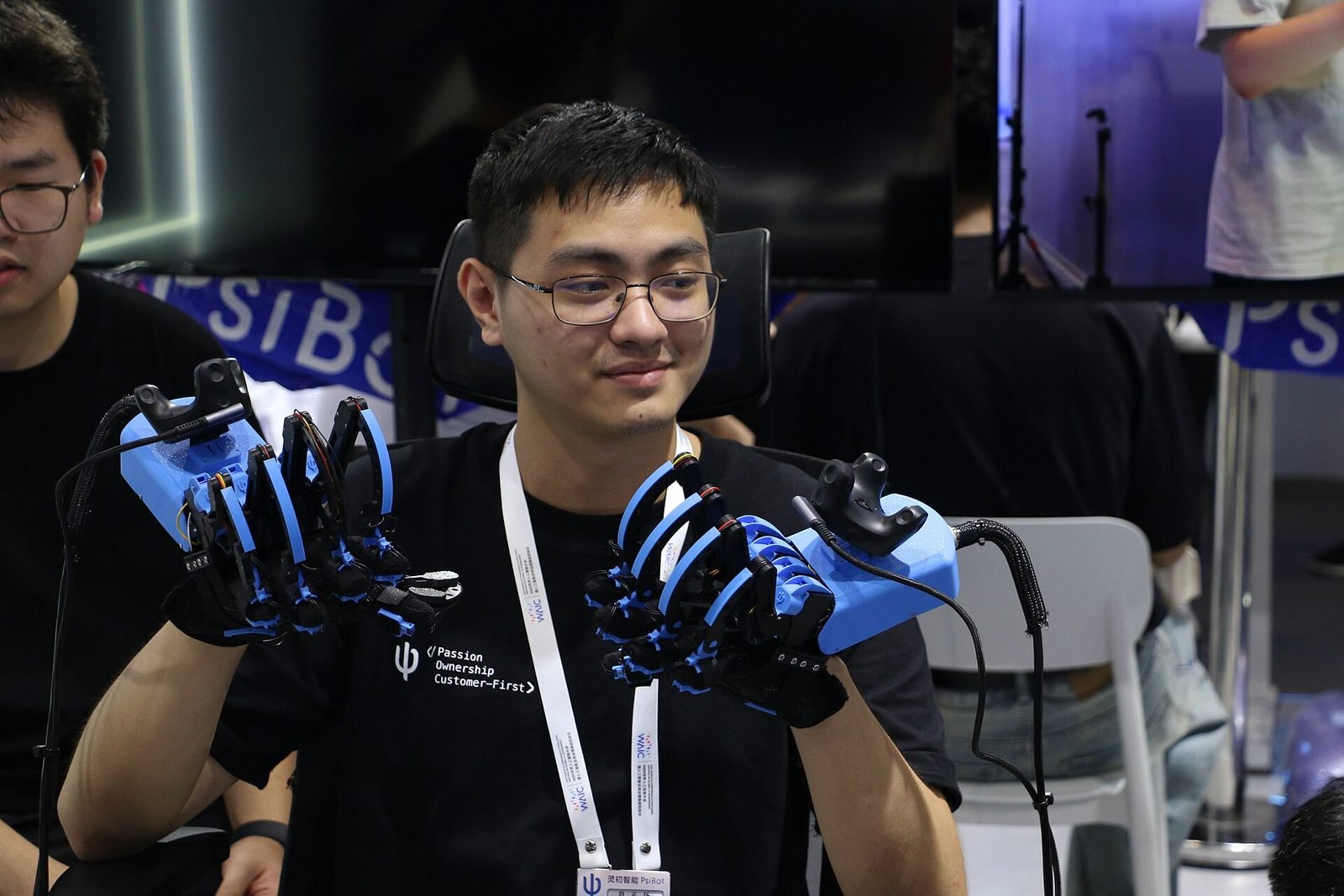
AI · 6 min read

How AI is changing immersive experiences (and where it is not)

AI gives XR experiences perception, conversation, adaptation and generated content. Where it adds value, how to architect it, and where it still falls short.

A person wearing a sensor glove controlling a robotic hand
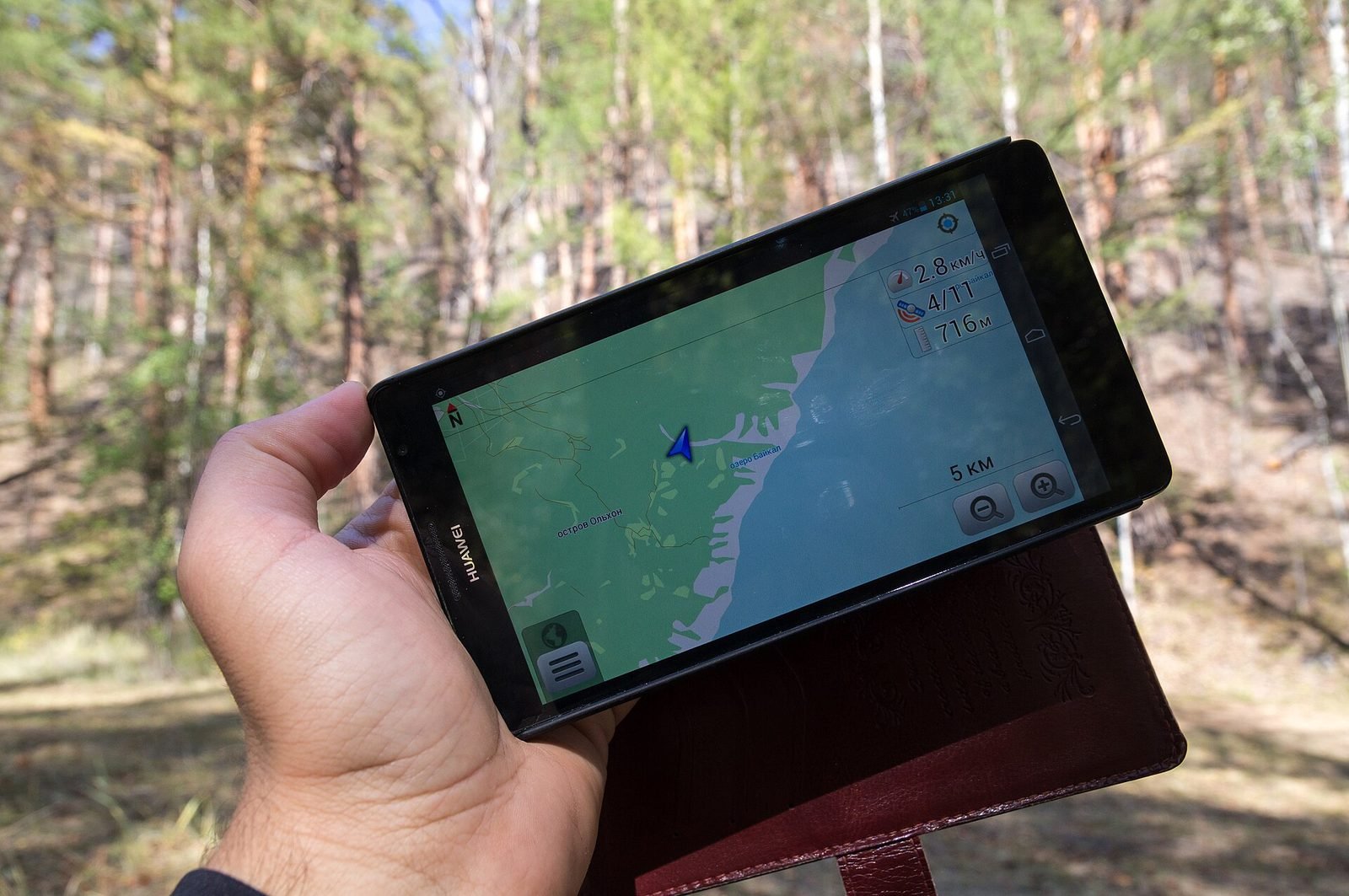
Geospatial · 6 min read

How does geospatial AR work?

Geospatial AR fuses GPS, motion sensors and visual positioning against a map of real streets to place content at exact coordinates. Each step explained.

A hand holding a tablet with a GPS map while walking outdoors
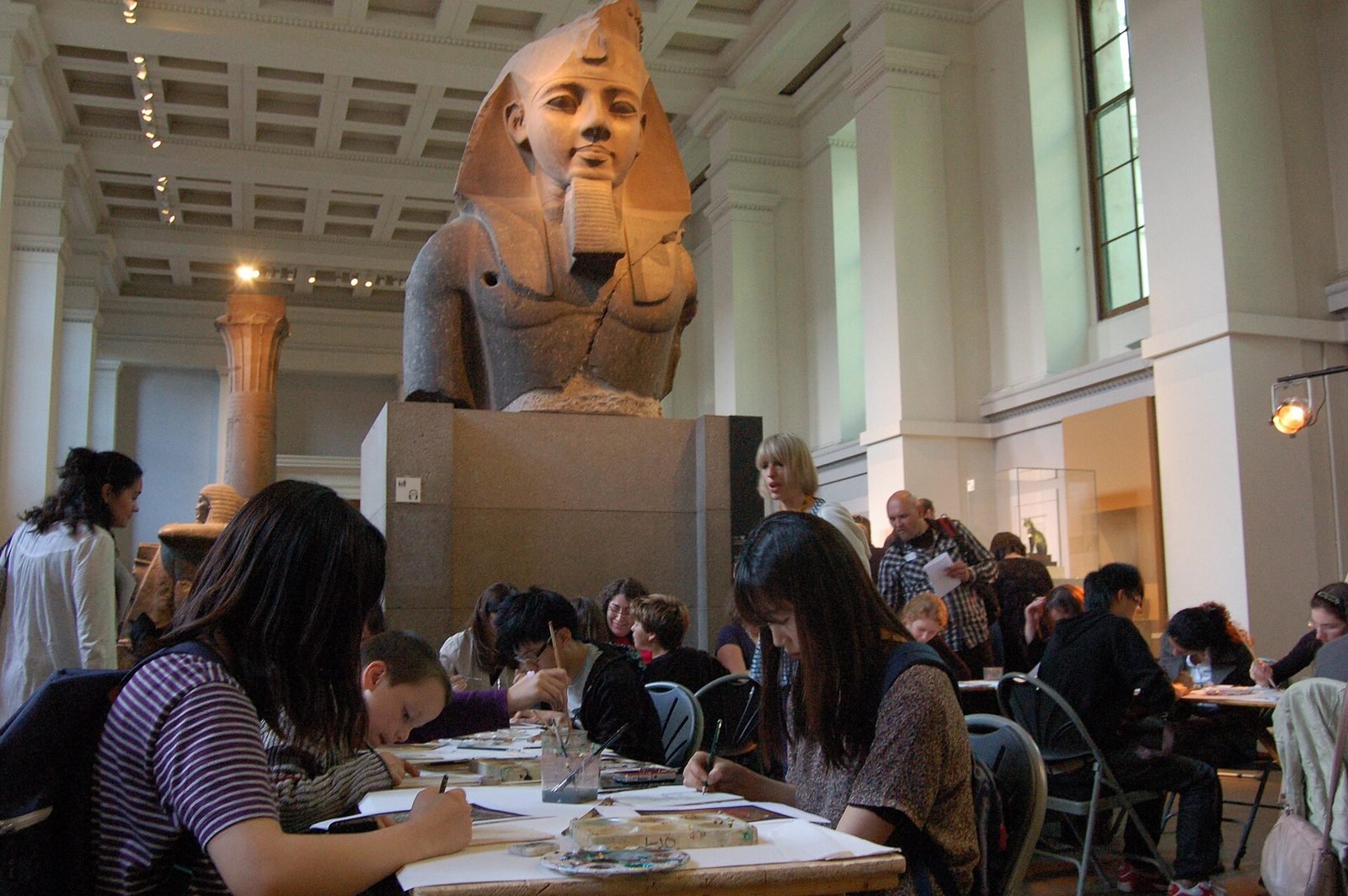
Cultural Heritage · 6 min read

How museums can use AR and XR: a practical guide for cultural heritage

How museums and heritage sites use AR, VR and mixed reality: use cases, phones versus loan devices, curatorial constraints, content pipelines and pilots.

Visitors in a museum gallery with a large sculpture

Next step

Want to talk to Erfan about a project?

Leave your number and Erfan will call you back to talk through the idea, the place and the people it is for.

Prefer email? mrerfansol@gmail.com

Request a call