Service · XR & immersive experiences
Immersive experience design for exhibitions, brand spaces and cultural sites
VeleStudio designs immersive experiences for exhibitions, brand spaces and cultural sites, combining XR headsets, projection, sound and interaction design in Unity.
What it is
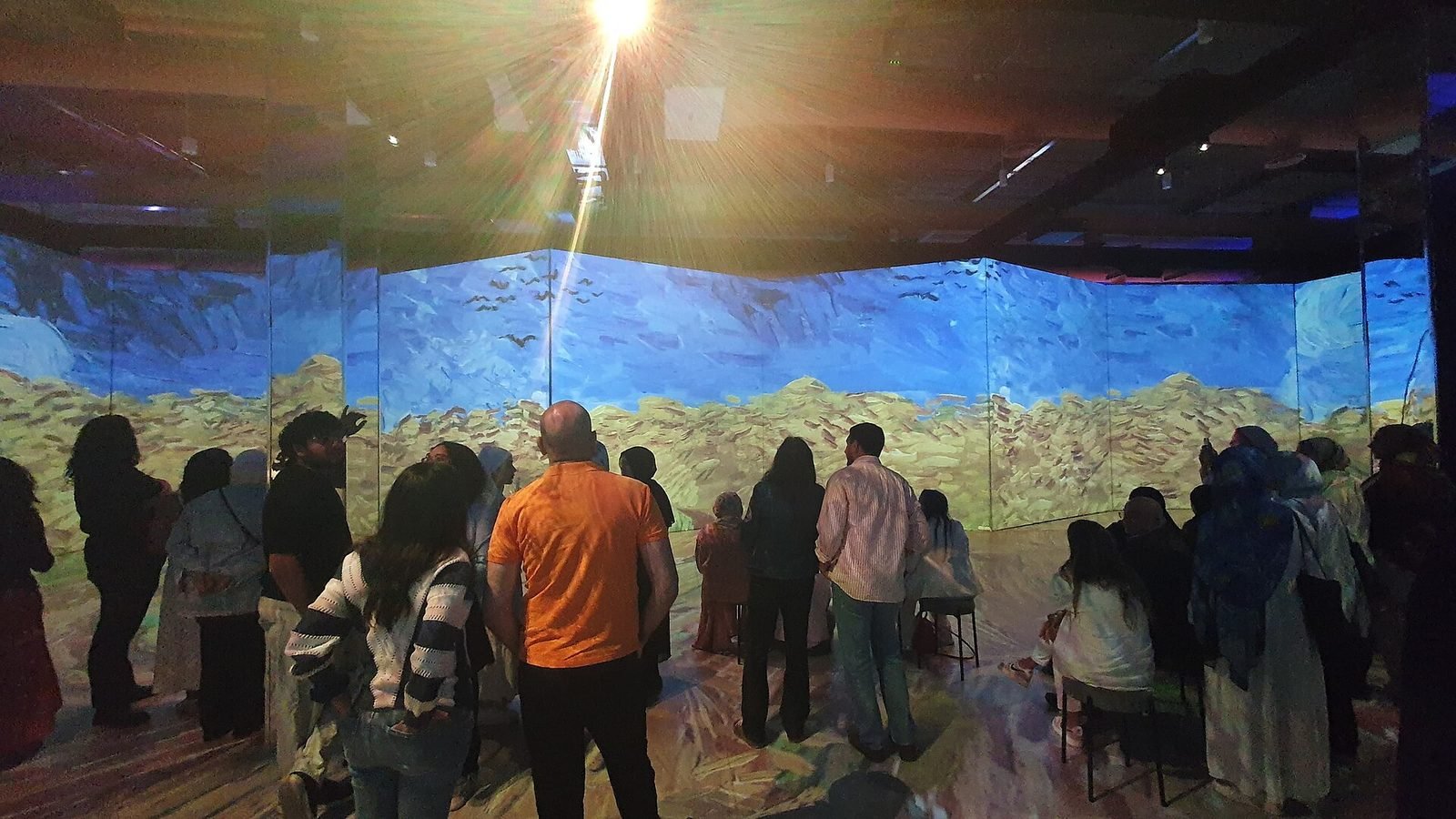
An immersive experience is a designed situation in which people are surrounded by a story or a system that responds to them, whether through a headset, a room of projection and sound, a sensor-driven installation or a route through a real place. What makes it immersive is not the technology but the design of attention: what people notice first, how their bodies are involved, what they hear, and how the experience changes because they are there. XR, installations and location-based formats are the media; the experience is the product.
The experience layer is a distinct discipline from development. It deals with narrative structure for people who move freely rather than sit, with sound as the main carrier of emotion and orientation, with embodiment (what it feels like to reach, walk, crouch or be looked at), and with the choreography of a group through a space. Decisions at this level determine whether an exhibition is remembered or merely walked through, and they have to be made before an engine is opened.
VeleStudio works at this layer with curators, scenographers, brands and event producers, then carries the design through into production with our own XR and installation teams. Our background in interaction design and human-computer interaction means the dramaturgy and the mechanics are designed together, so the moment that matters most is also the moment the technology is most reliable.
What problems it solves
- 01
Technology-led experiences that leave people cold
A headset or a wall of screens is not an experience. We start from what people should feel and understand, choose the medium afterwards, and are willing to recommend less technology when it serves the story better.
- 02
Linear narratives in spaces where people wander
Visitors arrive at different moments, move at different speeds and leave early. We structure content so it works in any order and at any duration, with a clear core and optional depth.
- 03
Experiences that fail in groups
Most immersive formats are designed for one person and break when a family, a school class or a cocktail crowd arrives. We design for the actual throughput, social dynamics and queueing of the venue.
- 04
Sound treated as an afterthought
Sound carries orientation, emotion and timing in a space, and it is usually specified last. We design the sound layer with the visuals and test it in the acoustics of the real room.
Who it is for
- Museums, science centres and cultural institutions planning exhibitions
- Brands and agencies producing launches, showrooms and pop-up spaces
- Festivals, theatres and performing-arts organisations
- Heritage sites, parks and destinations adding interpretation on location
- Corporate venues such as visitor centres and headquarters
Example applications
- Immersive exhibition rooms
- Projection, spatial sound and sensing combined so a gallery becomes a scene that responds to the people in it.
- Headset experiences for exhibitions
- Short, well-staged VR or mixed-reality pieces with staffing, hygiene and throughput designed as part of the experience.
- Brand spaces and launches
- Product worlds people step into, with interaction that reveals the story behind the product rather than only its features.
- Location-based narratives
- Routes through a site, a town or a landscape where audio, AR and physical cues unfold a story in the real place.
- Live and performative formats
- Installations and XR layers for concerts, theatre and events, synchronised with performers and lighting.
How we approach Immersive Experiences projects
01
Intent and audience
What the visitor should feel, think and do differently afterwards, and who those visitors are, agreed before any medium is discussed.
02
Experience concept
The arc, the key moments, the role of the body and the sound, and the group dynamics, presented as a walk-through of the space rather than a feature list.
03
Medium and format selection
Headsets, projection, sensing, audio, physical props or a mix, chosen on the concept, the venue and the operational reality of running it every day.
04
Scenario prototyping
Mock-ups at scale with cardboard, sound and rough software, tested with people in a comparable space to find what lands and what confuses.
05
Production
Content, software, sound and physical build developed together, with regular rehearsals in the venue as it takes shape.
06
Opening and iteration
Observed sessions during the first weeks, adjustments to timing, sound and signage, and a plan for maintenance and content refreshes.
Technology we use
Tools chosen for the experience, not the other way round. The full ecosystem is on the expertise page.
Related work
All work →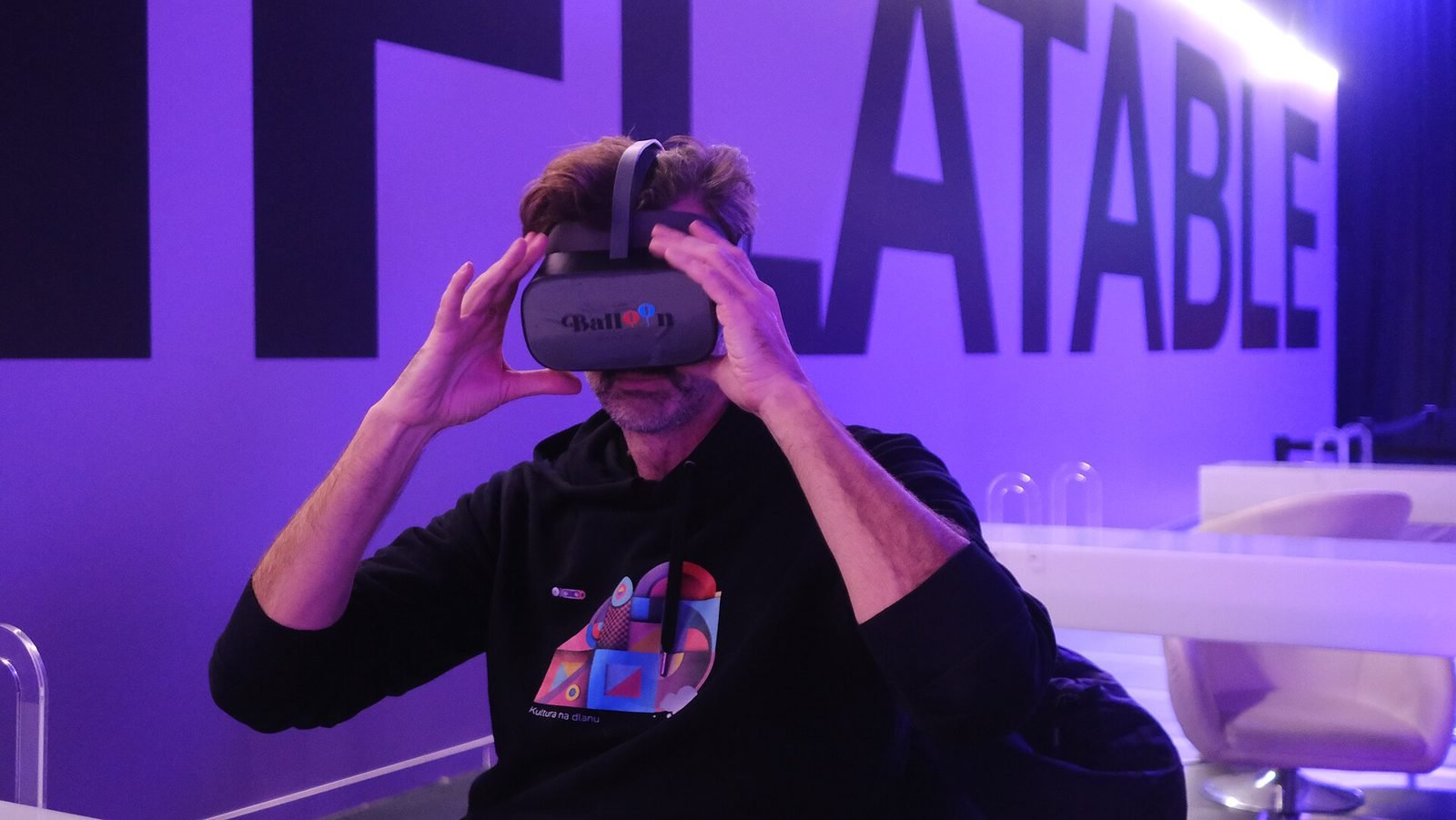
01Mixed Reality, Cultural Heritage·Studio prototype, 2026
Object Stories: a mixed reality guide prototype for museum collections
A Quest 3 passthrough prototype that recognises museum objects and anchors stories, exploded views and provenance to each one, tested in the studio with replicas.
- Unity
- C#
- Meta Quest SDK
- OpenXR
02Interactive Installation, HCI·Studio prototype, 2025
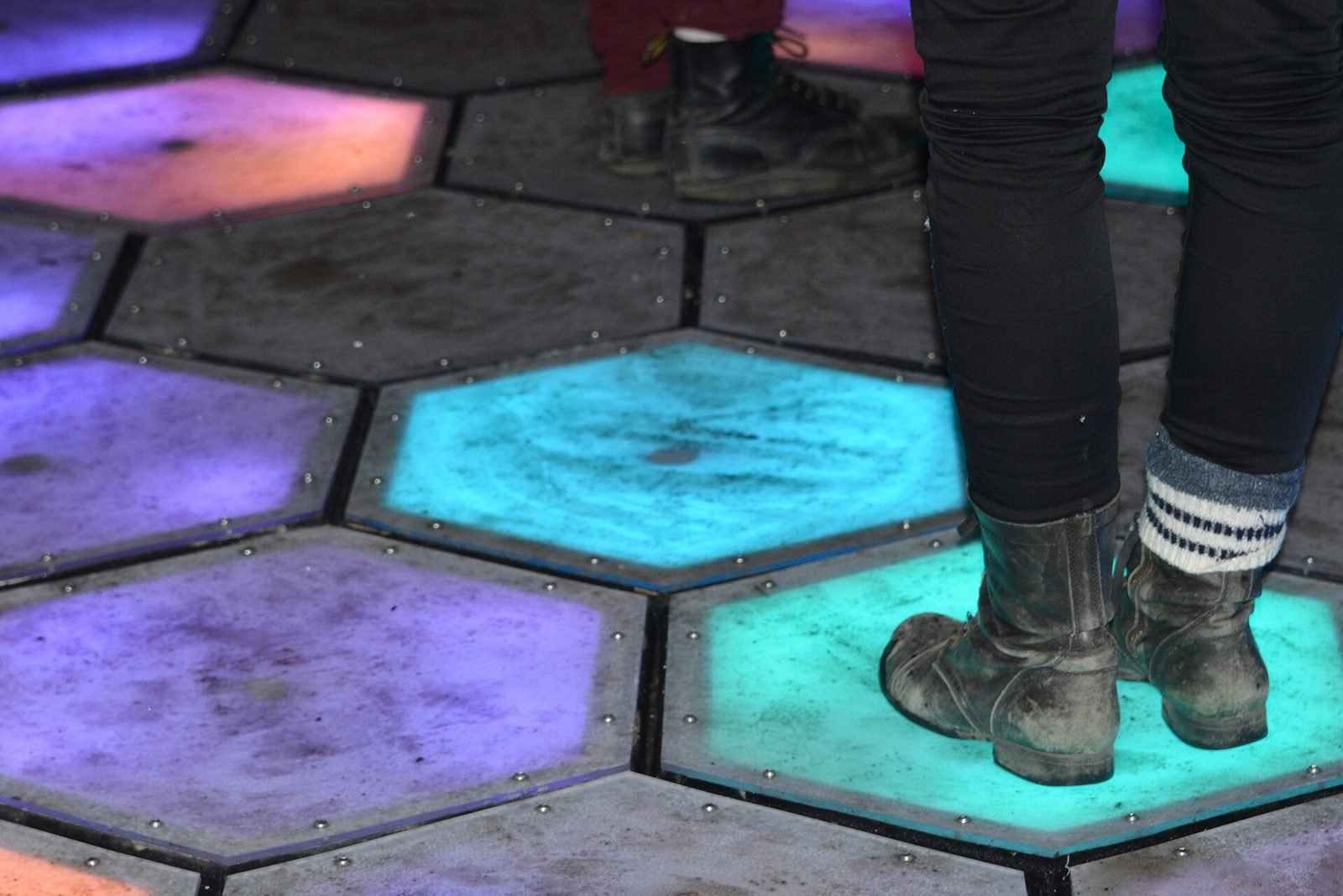
Presence Field: a body-reactive projection installation
A wall-scale particle field driven by a depth camera, where bodies displace and attract points and lines and several people create interference patterns.
- Unity
- C#
- Depth cameras
- Hand & body tracking
Further reading
How AI is changing immersive experiences (and where it is not)
AI gives XR experiences perception, conversation, adaptation and generated content. Where it adds value, how to architect it, and where it still falls short.
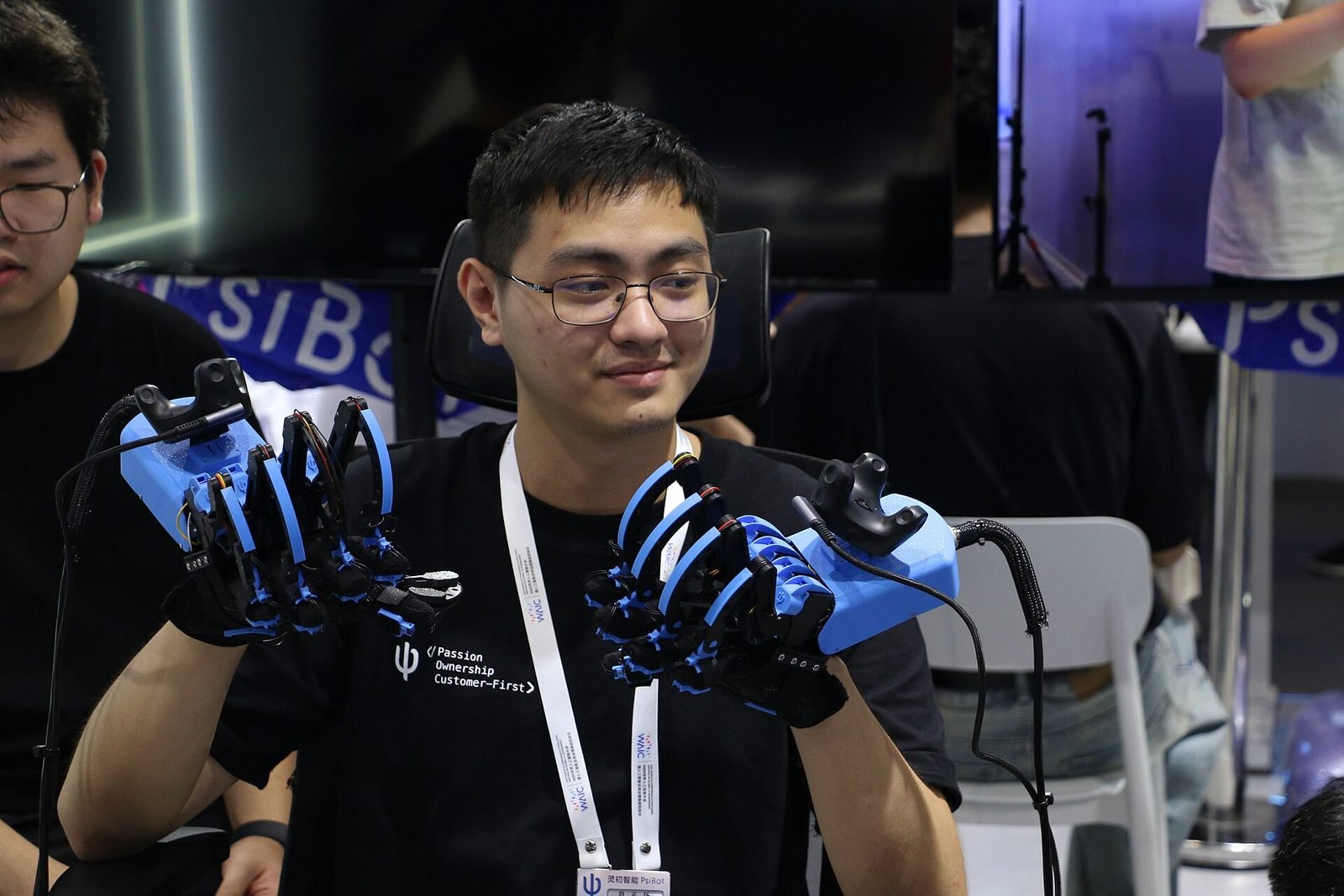
How museums can use AR and XR: a practical guide for cultural heritage
How museums and heritage sites use AR, VR and mixed reality: use cases, phones versus loan devices, curatorial constraints, content pipelines and pilots.
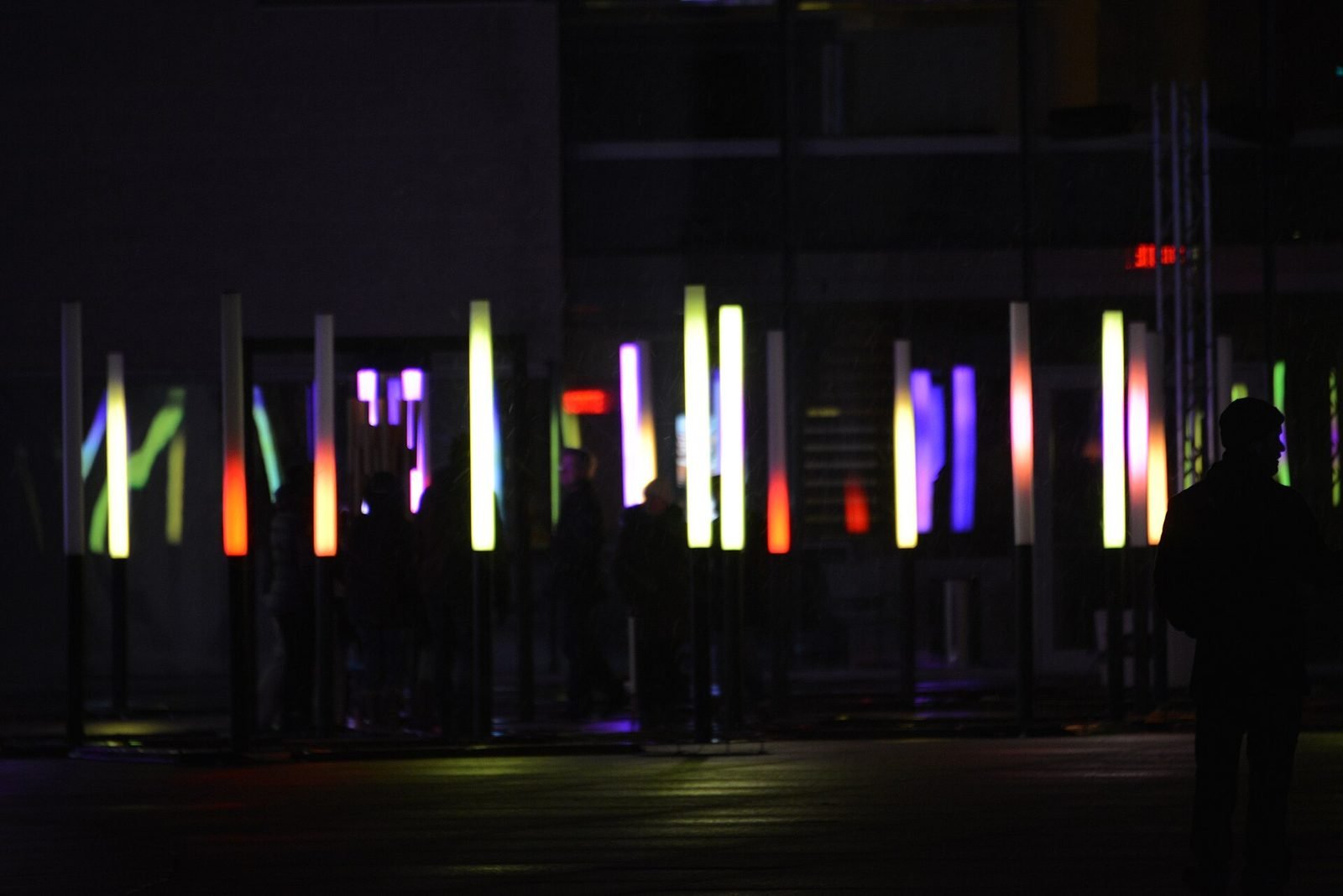
How to build an interactive installation
A practical guide to interactive installations: concept, sensing, software, hardware, calibration, robustness when unattended, and what drives cost.
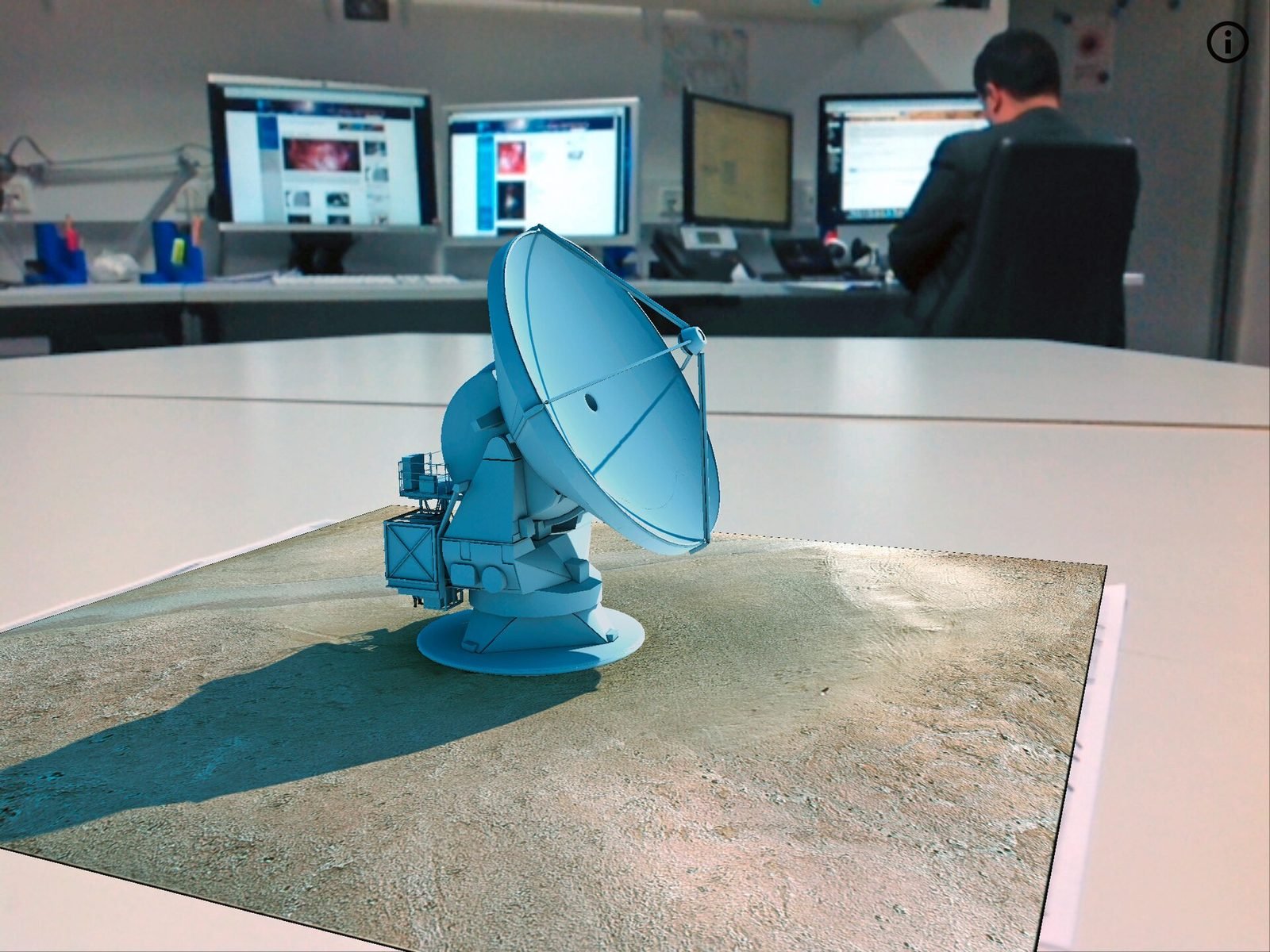
How to design an AR experience
A practical process for designing AR: define the job of the AR layer, choose anchoring, guide attention, handle uncertainty and test in real conditions.
FAQ